
Carassius Auratus Goldfish: Fancy Types & Care Guide
Species Overview
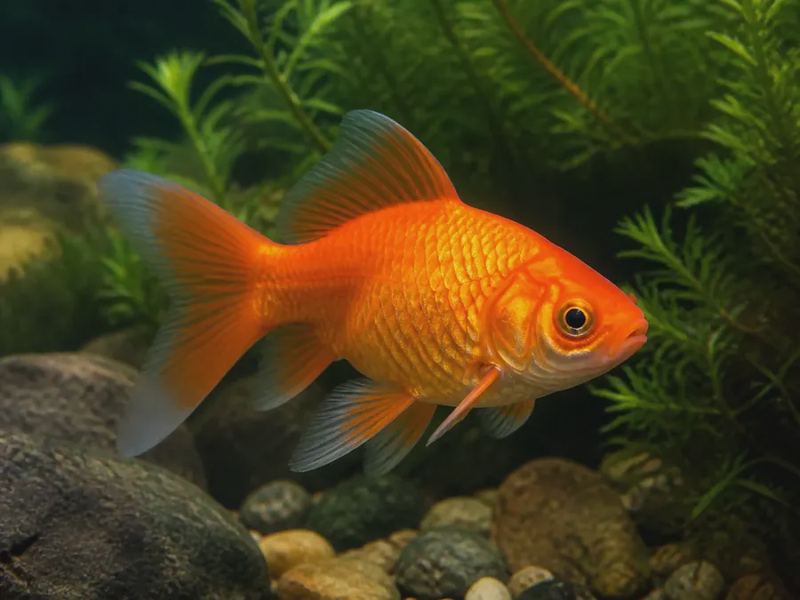
The goldfish, Carassius auratus, is arguably the most recognizable and historically significant fish in the global aquarium hobby. Belonging to the family Cyprinidae, the largest family of freshwater fish, the goldfish is a freshwater cyprinid that has been shaped by human selection for over a millennium. The wild ancestor of the domesticated goldfish is the Prussian carp, Carassius gibelio, a fact that has been confirmed through extensive phylogenetic analysis. For much of the 20th century, the wild form was taxonomically classified as a distinct subspecies, Carassius auratus auratus, but modern genetic studies have firmly established that the wild populations in Asia are conspecific with C. gibelio, making the domesticated goldfish a domestication of that species. This distinction is not merely academic; it clarifies the goldfish’s remarkable physiological resilience, which is a direct inheritance from its hardy, wild carp ancestors.
The history of goldfish domestication is a fascinating journey that began in China during the Jin Dynasty (265–420 AD), where silver-colored carp were kept in monastic ponds. The first genetic mutations producing golden and orange coloration were noted during the Tang Dynasty (618–907 AD), and these fish were initially reserved for the imperial court. By the Song Dynasty (960–1279 AD), goldfish were being kept in indoor ceramic vessels, marking the true beginning of ornamental fishkeeping. The fish were introduced to Japan in the 16th century, then to Europe in the 17th century, where they captured the imagination of naturalists and hobbyists alike. In their natural, undomesticated state, Carassius auratus are native to slow-moving rivers, lakes, and ponds in Central Asia, specifically the regions of southern China, and have been introduced worldwide. They thrive in the wild in temperate climates, where they exhibit a bronze or olive-green coloration that provides camouflage in murky, vegetated waters—a stark contrast to the vivid oranges and reds of their selectively bred descendants.
In their wild habitat, goldfish are quintessential inhabitants of lowland freshwater ecosystems. They prefer lentic environments—standing or slow-moving water—including oxbow lakes, irrigation canals, and the backwaters of large rivers. These habitats are characterized by soft, silty substrates, dense aquatic vegetation, and a tendency toward seasonal temperature fluctuations. Wild goldfish are remarkably tolerant of low oxygen conditions, a trait facilitated by their ability to utilize atmospheric oxygen through a specialized structure in their gills known as the suprabranchial organ. This adaptation allows them to survive in stagnant, warm waters that would be lethal to many other fish species. Understanding this natural history is crucial for aquarium keepers, as it underscores the goldfish’s need for high-oxygen environments in captivity, despite their hardiness, and their preference for cooler water temperatures than tropical species.
Appearance & Size
The appearance of Carassius auratus is incredibly diverse, representing one of the most dramatic examples of phenotypic variation under domestication. The wild type is slender, streamlined, and typically reaches a length of 25 to 30 centimeters (10 to 12 inches) in large water bodies, with a uniform bronze or grayish-olive coloration. However, the domesticated goldfish exists in over 200 recognized breeds, each with distinct body shapes, fin structures, and color patterns. The most common breeds include the Common Goldfish and the Comet, which retain a streamlined, torpedo-shaped body and a single, deeply forked caudal fin. Fancy breeds, such as the Fantail, Ryukin, and Oranda, exhibit a rounder, egg-shaped body with a double caudal fin, while extreme varieties like the Bubble Eye and Celestial Eye have developed specialized fluid-filled sacs or upward-pointing eyes that compromise their vision and swimming ability.
Size is a critical consideration for any prospective goldfish keeper. In a well-maintained aquarium, a common goldfish will readily grow to 15 to 20 centimeters (6 to 8 inches) within the first few years, and can eventually exceed 30 centimeters (12 inches) if provided with ample space and pristine water quality. Fancy goldfish breeds generally grow to a smaller maximum size, typically 15 to 20 centimeters (6 to 8 inches) total length, due to their compressed body morphology. The growth rate of goldfish is indeterminate, meaning they continue to grow throughout their lives, with the rate largely determined by tank size, diet, and water quality. It is a common misconception that goldfish grow only to the size of their tank; in reality, severe stunting occurs in undersized tanks, leading to organ compression, spinal deformities, and a dramatically shortened lifespan. A healthy goldfish can live for 15 to 20 years, with some individuals reaching 30 years or more under optimal conditions.
Coloration in goldfish is a complex trait governed by multiple genes and influenced by environmental factors. The vibrant orange and red hues are produced by carotenoid pigments in the skin, which are derived from their diet. Juvenile goldfish are typically brown or black, and their adult coloration develops over the first few months of life. Some breeds, such as the Black Moor, retain melanistic pigmentation, while others, like the Calico, display a mottled pattern of red, white, and black. The metallic sheen seen in many goldfish is caused by guanine crystals in the skin, while the pearlescent appearance of the Pearlscale breed is due to a unique arrangement of these crystals. It is essential to note that environmental stress, poor nutrition, and lack of UV light can cause fading of color, making proper husbandry essential for maintaining the aesthetic appeal of these fish.
Diet & Feeding
In their natural environment, Carassius auratus are omnivorous generalists, consuming a wide variety of plant and animal matter. Their diet consists of aquatic insects, crustaceans, zooplankton, algae, and detritus. They are opportunistic feeders, constantly foraging through the substrate and grazing on submerged vegetation. This natural dietary breadth is reflected in their digestive physiology; goldfish lack a true stomach and instead have a long intestinal tract that allows for the efficient digestion of complex carbohydrates and plant fibers. This is a crucial distinction from carnivorous fish, and it means that goldfish require a diet that is lower in protein and higher in fiber than many tropical species.
For captive goldfish, a high-quality, sinking pelleted diet should form the foundation of their nutritional intake. Floating flakes are not recommended as a staple because goldfish, particularly fancy breeds, are prone to gulping air at the surface, which can lead to swim bladder disorders. Sinking pellets are pre-soaked and allowed to fall, encouraging natural bottom-feeding behavior and reducing the risk of buoyancy issues. The protein content of the diet should be approximately 30–35% for growing fish and 25–30% for adults, with a moderate fat content of 5–10%. High-quality commercial foods will list a whole fish meal or a plant-based protein source such as spirulina as the primary ingredient. It is important to avoid foods with excessive fillers like wheat or corn, which can cause digestive blockages.
Feeding frequency and portion control are paramount to goldfish health. Goldfish have a voracious appetite and will readily overeat, leading to obesity, fatty liver disease, and compromised water quality from excess waste. A general rule is to feed only what the fish can consume in two to three minutes, twice daily. For adult fish, many experts recommend feeding once daily, with one or two fasting days per week to allow the digestive system to clear. Supplementation with fresh, blanched vegetables such as peas (with the outer skin removed), zucchini, and spinach is highly beneficial, providing essential vitamins and roughage. Live or frozen foods, such as daphnia, bloodworms, and brine shrimp, can be offered as a treat once or twice a week to provide high-quality protein and stimulate natural foraging behavior. Always ensure that any live food is sourced from a reputable supplier to avoid introducing pathogens into the aquarium.
Aquarium Setup
Setting up a proper aquarium for Carassius auratus requires a fundamental departure from the typical tropical community tank. The most critical factor is tank size. A single common goldfish requires a minimum of 75 liters (20 gallons) for the first fish, with an additional 40 liters (10 gallons) per additional fish. Fancy goldfish breeds, being less active and slower swimmers, can be kept in a slightly smaller volume, but a 110-liter (30-gallon) tank is still the recommended minimum for a single fancy, with 40 additional liters per extra fish. These are not arbitrary figures; goldfish produce an immense bioload due to their high waste output, and a larger water volume provides greater dilution of toxins and more stable water parameters. A long, rectangular tank is preferable to a tall, narrow one, as it provides a greater surface area for gas exchange and more horizontal swimming space.
The substrate should be chosen with care. Fine sand or smooth, rounded gravel is ideal, as goldfish are avid foragers and will sift through the substrate looking for food. Sharp, jagged gravel can damage their delicate barbels and mouth parts. A bare-bottom tank is also an acceptable and highly practical option, particularly for breeding or quarantine purposes, as it is far easier to clean and does not harbor waste. Live plants present a significant challenge in a goldfish aquarium, as goldfish are herbivorous and will uproot and consume most aquatic vegetation. Hardy, fast-growing species such as Anubias, Java fern (Microsorum pteropus), and Vallisneria can be attempted, but they should be considered expendable. Alternatively, high-quality artificial silk plants provide the aesthetic benefit of aquascaping without the risk of being destroyed. Floating plants like Ceratophyllum demersum (hornwort) can also be used; while they may be eaten, they grow quickly enough to provide temporary cover.
Filtration is the lifeblood of a goldfish tank. Given their high waste production, a filtration system rated for two to three times the tank’s volume per hour is recommended. A combination of mechanical, chemical, and biological filtration is essential. Canister filters are often the best choice for larger goldfish setups due to their high media capacity and low maintenance, while hang-on-back power filters are suitable for smaller tanks. The water flow should be gentle but sufficient to create a slight current; fancy goldfish, in particular, are not strong swimmers and can be stressed by powerful currents. Lighting requirements are moderate. Goldfish do not require intense lighting, and it can promote excessive algae growth. A standard LED light on a 6- to 8-hour photoperiod is sufficient to maintain a natural day-night cycle and support any hardy plants. The tank should be positioned away from direct sunlight to prevent temperature fluctuations and algae blooms.
Water Parameters
The water chemistry for Carassius auratus reflects their temperate, freshwater origins. They are a remarkably adaptable species, capable of tolerating a wide range of conditions, but they thrive within specific parameters. Temperature is perhaps the most important factor. Goldfish are coldwater fish, and they do not require a heater in most indoor environments. The ideal temperature range is 18–24°C (64–75°F). They can tolerate temperatures as low as 4°C (39°F) during winter dormancy and as high as 30°C (86°F) for short periods, but prolonged exposure to temperatures above 27°C (80°F) increases their metabolic rate, leading to higher oxygen demand and a shortened lifespan due to accelerated aging. Conversely, temperatures below 15°C (59°F) will slow their metabolism, reducing feeding and increasing susceptibility to disease.
Water hardness and pH are less critical but should be maintained within stable ranges. Goldfish prefer a slightly alkaline pH, and they are far more sensitive to sudden pH swings than to the absolute value itself. The general hardness (GH) and carbonate hardness (KH) should be moderate to provide buffering capacity against pH crashes. The following table outlines the recommended water parameters for optimal goldfish health:
| Parameter | Ideal Range | Acceptable Range |
|---|---|---|
| Temperature (°C) | 18–24°C (64–75°F) | 15–27°C (59–80°F) |
| Temperature (°F) | 64–75°F | 59–80°F |
| pH | 7.0–7.5 | 6.5–8.0 |
| General Hardness (dGH) | 8–12 dGH | 4–20 dGH |
| Carbonate Hardness (dKH) | 6–10 dKH | 3–15 dKH |
| Ammonia (NH3) | 0 ppm | 0 ppm |
| Nitrite (NO2) | 0 ppm | 0 ppm |
| Nitrate (NO3) | < 20 ppm | < 40 ppm |
Water quality maintenance is the single most critical aspect of goldfish keeping. The nitrogen cycle must be fully established before introducing fish, and regular water changes are non-negotiable. A 25–30% water change should be performed weekly for lightly stocked tanks, and more frequently (up to 50%) for heavily stocked or fancy goldfish setups. The use of a gravel vacuum during water changes is essential for removing solid waste and uneaten food from the substrate. Dechlorination of tap water is mandatory, as chlorine and chloramine are toxic to fish. A high-quality water conditioner that also detoxifies heavy metals should be used with every water change. It is also wise to test the water weekly with a liquid test kit to monitor ammonia, nitrite, nitrate, and pH levels, allowing for proactive adjustments before problems arise.
Behavior & Compatibility
Carassius auratus are social, gregarious fish that exhibit a surprising degree of individual personality. They are diurnal, being most active during daylight hours, and they spend a significant portion of their time foraging along the substrate. Goldfish are not aggressive in the traditional sense, but they are opportunistic and will consume any smaller fish that fit in their mouths. They are also highly communicative, using body language and chemical signals to interact with conspecifics. They do not have a swim bladder that allows for rapid vertical movement; instead, they are deliberate, graceful swimmers, with fancy breeds being notably slower and more deliberate than their single-tailed relatives.
Compatibility is a nuanced topic for goldfish. The most important rule is that goldfish should be kept with other goldfish, and fancy breeds should not be mixed with slim-bodied, fast-swimming varieties like Comets or Commons. The latter will outcompete the fancies for food, causing malnutrition, and their rapid movements can stress the slower, more delicate fancy fish. When selecting tankmates, the primary constraints are water temperature and temperament. Goldfish require cool water, which eliminates all tropical species. Suitable coldwater tankmates include White Cloud Mountain Minnows (Tanichthys albonubes), which are peaceful and fast enough to avoid being eaten, and Zebra Danios (Danio rerio), though the latter prefer slightly warmer temperatures. Larger, peaceful coldwater fish such as the Rosy Barb (Pethia conchonius) can also be considered, but they should be introduced as adults to prevent them from being eaten.
Invertebrates are generally not recommended as tankmates. Snails, such as Pomacea bridgesii (Apple Snails), may be consumed or have their antennae nibbled. Shrimp, like Neocaridina davidi, will be actively hunted and eaten. Bottom-dwelling fish like the weather loach (Misgurnus anguillicaudatus) are sometimes kept with goldfish, as they share similar temperature requirements, but they can compete for food and may be too active for some fancy goldfish. Ultimately, the safest and most rewarding community for a goldfish is a species-only tank, or a tank with a few other goldfish of similar body type and swimming speed. This minimizes stress, reduces competition, and allows the keeper to observe the rich social dynamics of these fascinating fish.
Breeding
Breeding Carassius auratus in captivity is a rewarding but demanding endeavor that requires a clear understanding of their reproductive biology. Goldfish are seasonal breeders, with spawning typically triggered in the spring as water temperatures rise and daylight hours lengthen. In the wild, this coincides with the natural increase in food availability. To induce spawning in an aquarium, a controlled simulation of these seasonal changes is necessary. The breeding group should be conditioned over several weeks with a high-quality, protein-rich diet, including live or frozen foods. A separate breeding tank of at least 100 liters (26 gallons) should be set up with a bare bottom, fine-leaved artificial plants or a spawning mop made of acrylic yarn, and a gentle sponge filter.
The sexing of mature goldfish is relatively straightforward. Males develop small, white, raised tubercles on their gill plates and pectoral fins during the breeding season. Females become noticeably plumper, with a softer, more rounded abdomen. As the water temperature is gradually increased to 20–22°C (68–72°F) and then a partial water change is performed with slightly cooler water, spawning is often triggered. The male will actively chase the female, nudging her abdomen to release eggs. The female will scatter her adhesive eggs over the plants or spawning mop, and the male will simultaneously release milt to fertilize them. A single spawning event can produce hundreds to thousands of eggs. It is crucial to remove the adult fish immediately after spawning, as they will consume the eggs and fry without hesitation.
The eggs are small, about 1.5 millimeters in diameter, and will hatch in 4 to 7 days, depending on temperature. The newly hatched fry are tiny, translucent, and initially do not feed, absorbing their yolk sac for the first 24–48 hours. Once they become free-swimming, they must be fed infusoria or a commercially available liquid fry food. After a few days, they can be transitioned to newly hatched brine shrimp nauplii (Artemia). The fry grow rapidly, and their coloration begins to develop after about 3 to 6 months. Culling is a common practice in serious breeding efforts to remove fry with deformities or poor body conformation, but for the hobbyist, raising a small percentage of the fry in a well-maintained grow-out tank can be a fascinating educational experience. The fry require frequent water changes and a diet rich in protein to ensure healthy skeletal development.
Common Diseases & Health
Despite their reputation for hardiness, Carassius auratus are susceptible to a range of diseases, many of which are directly attributable to poor water quality or improper husbandry. The most common affliction is Ichthyophthirius multifiliis, commonly known as Ich or white spot disease. This protozoan parasite manifests as small, white, salt-like granules on the skin, fins, and gills. Infected fish will flash against objects and exhibit rapid gill movement. Treatment typically involves raising the water temperature gradually to 30°C (86°F) for several days, combined with a commercial anti-parasitic medication. However, prevention through quarantine of new fish and maintaining stable water parameters is far more effective than treatment.
Swim bladder disorder is arguably the most prevalent health issue in fancy goldfish, particularly breeds with round, compressed bodies like the Oranda and Pearlscale. Symptoms include buoyancy problems—fish floating at the surface, sinking to the bottom, or swimming upside down. This condition is often caused by overeating, constipation, or the ingestion of air from feeding at the surface. The first line of treatment is to fast the fish for 24–48 hours, then offer a blanched, skinned pea, which acts as a laxative. If the condition persists, it may be caused by a bacterial infection or anatomical deformity, which is often untreatable. Preventing swim bladder issues involves feeding sinking pellets, avoiding overfeeding, and ensuring a high-fiber diet.
Fin rot and fungal infections are secondary bacterial or fungal issues that typically arise from damaged fins or compromised immune systems. Fin rot presents as ragged, discolored edges on the fins, often with a white or red border. It is almost always a consequence of poor water quality, and the primary treatment is a significant water change, followed by a broad-spectrum antibacterial medication if the condition does not improve. Fungal infections appear as white, cottony growths on the skin or mouth and are treated with anti-fungal medications. Additionally, goldfish are susceptible to anchor worms (Lernaea) and fish lice (Argulus), which are visible to the naked eye as small, thread-like or disc-shaped parasites on the body. These require physical removal and treatment with an appropriate antiparasitic. The cornerstone of goldfish health is proactive maintenance: pristine water, a balanced diet, and stress-free environment are the most effective prophylaxis against all disease.
FAQs
Q: How long do goldfish actually live?
A: With proper care, a goldfish can live for 15 to 20 years, and there are documented cases of common goldfish living for over 30 years. The key determinants are tank size, water quality, and diet. Goldfish kept in small bowls or unfiltered tanks typically die within a few years due to ammonia poisoning and stunting. A large, well-filtered aquarium with a balanced diet is essential for achieving their full lifespan potential.
Q: Can I keep a goldfish in a bowl?
A: No. A bowl is entirely unsuitable for goldfish. Goldfish produce a massive amount of waste, and a bowl has a minuscule water volume with no filtration, leading to rapid accumulation of toxic ammonia and nitrites. Furthermore, bowls have a low surface area for oxygen exchange, and goldfish require high oxygen levels. The minimum recommended tank size for a single goldfish is 75 liters (20 gallons) with adequate filtration. Keeping a goldfish in a bowl is a form of chronic, severe neglect.
Q: Why is my goldfish turning black?
A: Black patches on a goldfish can indicate several things. In some breeds, like the Black Moor, it is their natural color. However, in orange or red goldfish, the sudden appearance of black spots often signals high ammonia or nitrite levels in the water. This is a stress response where the fish produces excess melanin. It is a warning sign of poor water quality. Test the water immediately and perform a large water change. The black spots may fade once water conditions improve, though it can take weeks.
Q: Do goldfish need a heater?
A: Generally, no. Goldfish are coldwater fish and thrive at temperatures between 18–24°C (64–75°F). Most indoor homes maintain temperatures within this range, so a heater is unnecessary. However, if your home drops below 15°C (59°F) in winter, a low-wattage heater set to 20°C (68°F) can be beneficial to prevent metabolic slowdown. Conversely, a chiller may be needed in hot climates if tank temperatures exceed 27°C (80°F), as high temperatures are stressful and reduce oxygen levels.
References
- Journal of Experimental Biology
- Journal of Fish Diseases
- University of Cambridge Dept. of Zoology