
Ocellaris Clownfish: The Complete Care Guide
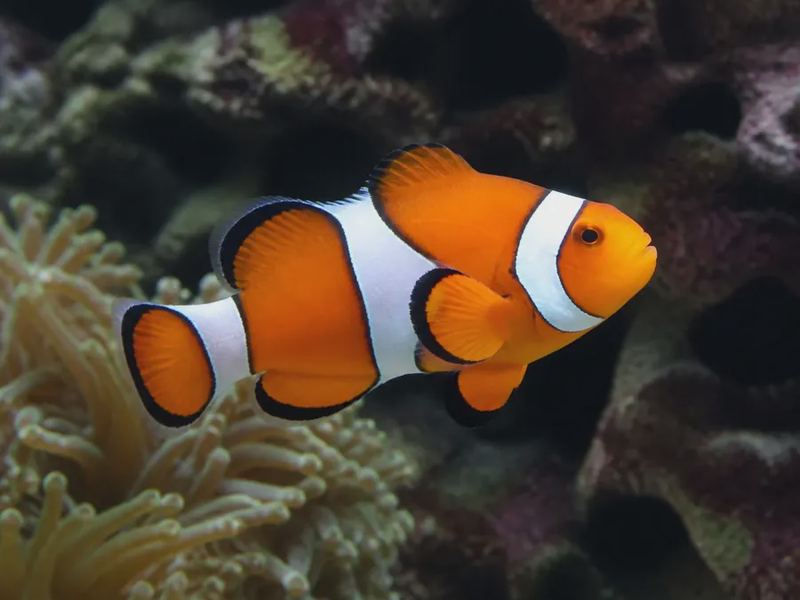
Species Overview
The Ocellaris Clownfish, Amphiprion ocellaris, is arguably the most recognized marine ornamental fish in the aquarium hobby, owing its fame largely to its starring role in popular animated films. However, its scientific significance extends far beyond its cinematic fame. The species was formally described in 1830 by the French zoologist Georges Cuvier, who originally placed it within the genus Amphiprion, a classification that remains valid today. The genus name derives from the Greek amphi (on both sides) and prion (saw), referencing the serrated, saw-like edge of the preopercle bone on the gill cover. The specific epithet ocellaris refers to the false "eye" spot, or ocellus, often present at the base of the dorsal fin. Taxonomically, A. ocellaris belongs to the family Pomacentridae, which encompasses damselfishes and clownfishes. It is frequently confused with its close relative, the True Percula Clownfish (Amphiprion percula), and while the two are superficially similar, they are genetically distinct and occupy different ecological niches within their overlapping ranges.
In the wild, Amphiprion ocellaris exhibits a broad Indo-Pacific distribution, with its range stretching from the Andaman and Nicobar Islands in the eastern Indian Ocean, through the Malay Archipelago, the Philippines, and Indonesia, and extending eastward to northern Australia, including the Great Barrier Reef. Interestingly, the species is notably absent from the waters of Fiji and French Polynesia, a biogeographical quirk that distinguishes it from its look-alike, A. percula, which is found further east in Melanesia and Micronesia. The natural habitat of the Ocellaris Clownfish is inextricably linked to its anemone hosts. In the wild, this species is an obligate symbiont, meaning it cannot survive without its host anemone. It is most commonly associated with the magnificent sea anemone (Heteractis magnifica) and the giant carpet anemone (Stichodactyla gigantea), though in some regions it also utilizes the sebae anemone (Heteractis crispa) and the bubble-tip anemone (Entacmaea quadricolor). These anemones are typically found in shallow, sheltered lagoons and on protected reef slopes, usually at depths ranging from 1 to 15 meters, where light penetration is sufficient for the photosynthetic zooxanthellae algae living within the anemone's tissues.
The relationship between the clownfish and its anemone is a classic example of mutualism. The anemone provides the fish with protection from predators, utilizing its stinging tentacles as a formidable defense barrier. In return, the clownfish defends its host from anemone-eating fish, such as butterflyfish, and provides the anemone with nutrients in the form of its feces. Furthermore, the fish’s constant movement within the tentacles is believed to improve water circulation around the anemone, aiding in gas exchange and waste removal. The clownfish is protected from the anemone’s nematocysts (stinging cells) by a thick layer of mucus on its skin, a biochemical adaptation that develops over a period of hours to days upon initial contact. This symbiotic relationship dictates nearly every behavioral aspect of the species in the wild, and understanding it is paramount for successful captive maintenance.
Appearance & Size
The Ocellaris Clownfish exhibits a striking and unmistakable coloration pattern that has made it an icon of coral reef ecosystems. The body is a vibrant, deep orange to orange-red, adorned with three bold, white vertical bars edged with thin, black outlines. The first white bar is situated immediately behind the eye, the second traverses the mid-body, and the third is located at the base of the caudal (tail) fin. A defining characteristic that distinguishes A. ocellaris from A. percula is the presence of a distinct, often thick, black margin along the edges of these white bars. In A. ocellaris, this black outline is typically thin or absent, whereas in A. percula, it is generally thick and pronounced. Furthermore, the dorsal fin of A. ocellaris typically has 11 dorsal spines, whereas A. percula has 10, a reliable, albeit subtle, morphological difference for definitive identification.
Juvenile Ocellaris Clownfish may hatch with a slightly more muted, translucent orange hue, but they quickly develop their characteristic pigmentation within the first few weeks of life. The intensity of the orange coloration can vary based on geographic origin, diet, and the health of the individual. For instance, specimens originating from the Australian region often display a deeper, more saturated orange when compared to those from Indonesia or the Philippines. The pelvic fins are modified into a single, elongated structure that resembles a small, feathery "leg," which the fish uses to interact with and "walk" across the tentacles of its host anemone. The pectoral fins are rounded and transparent, often with a faint yellowish tinge.
In terms of size, the Ocellaris Clownfish is considered a small to medium-sized member of the Pomacentridae family. In the wild, they typically reach a maximum standard length of approximately 8 centimeters (about 3.1 inches), although captive specimens often remain slightly smaller, generally reaching 6 to 7 centimeters (2.4 to 2.8 inches). There is a slight sexual dimorphism, with mature females being noticeably larger and more robust than their male counterparts. In a wild social group, the female is always the largest and most dominant individual, followed by the breeding male, and then a hierarchy of smaller, non-breeding subordinate males. This size differential becomes particularly pronounced as the fish mature, and it is a critical factor to consider when attempting to pair fish for breeding purposes in an aquarium setting.
Diet & Feeding
In their natural habitat, Amphiprion ocellaris are omnivorous with a strong tendency toward carnivory. Their diet consists primarily of small zooplankton, including copepods, amphipods, mysid shrimp, and the larval stages of various invertebrates. They also consume filamentous algae and detritus, which they graze from the substrate and from the tentacles of their host anemone. The constant fanning activity of the clownfish around the anemone often stirs up organic particulates, which the fish will opportunistically capture. Interestingly, they are also known to nip at the tentacle tips of their host anemone; however, this behavior is not a primary feeding strategy but rather appears to be a mechanism for reinforcing their protective mucus coating, utilizing the anemone's nematocysts to stimulate mucus production.
Feeding an Ocellaris Clownfish in captivity is straightforward, as they are highly adaptable and readily accept a wide variety of prepared foods. A high-quality, varied diet is essential for maintaining vibrant coloration, robust health, and optimal reproductive condition. A staple diet of a high-grade marine flake food or a slow-sinking micro-pellet should form the foundation of their nutritional intake. However, this should be supplemented with frozen or fresh foods at least once or twice daily. Excellent choices include frozen mysis shrimp, brine shrimp (enriched with omega-3 fatty acids and vitamins), finely chopped krill, and cyclop-eeze. To ensure optimal nutrition, it is advisable to offer a rotation of these foods, mimicking the natural diversity of their wild diet.
It is important to feed adult clownfish two to three times per day, offering only as much food as they can consume within a two-minute period. Overfeeding is a common mistake that leads to poor water quality, particularly elevated nitrate and phosphate levels, which can stress the fish and promote algae growth. Juvenile clownfish, especially those under one year of age, benefit from more frequent feedings—up to three or four times daily—to support their rapid growth. Observing the fish during feeding is also an excellent way to monitor their health; a healthy clownfish should display an aggressive, enthusiastic feeding response. A sudden loss of appetite is often the first sign of an underlying health issue or poor water quality, warranting immediate investigation.
Aquarium Setup
Setting up an aquarium for Amphiprion ocellaris is a rewarding endeavor, as these fish are remarkably hardy and forgiving, making them excellent candidates for both novice and experienced marine aquarists. However, providing an environment that mimics their natural reef habitat will not only ensure their survival but also encourage natural behaviors, including breeding. The minimum recommended tank size for a single Ocellaris Clownfish or a mated pair is 20 gallons (75 liters). However, if the aquarist intends to keep them with an anemone, a larger system of at least 30 to 40 gallons (115 to 150 liters) is strongly recommended. This is because anemones are large, sensitive organisms that require excellent, stable water quality and intense lighting, and a larger water volume provides a greater buffer against fluctuations in water chemistry. A longer, shallower footprint (e.g., a 40-gallon breeder tank) is preferable to a tall, narrow tank, as it provides a larger surface area for gas exchange and more horizontal swimming space.
The substrate choice is flexible. A fine aragonite sand bed is aesthetically pleasing and helps to buffer the water against pH drops, though a shallow layer of crushed coral is also acceptable. The presence of live rock is crucial, serving multiple purposes: it provides biological filtration via nitrifying bacteria, offers crevices and caves for shelter, and creates a naturalistic aquascape. The clownfish will not damage corals, as they are not aggressive grazers, but they do not require a reef environment to thrive. They are, however, perfectly safe to keep in a reef tank containing a variety of sessile invertebrates. Regarding "plant" life, true marine plants (macroalgae) such as Chaetomorpha or Caulerpa can be kept in a refugium or display tank, but they are not essential. The primary photosynthetic organisms of interest are the zooxanthellae algae within the anemone and any stony or soft corals present.
Lighting requirements are entirely dependent on whether an anemone is present. If keeping clownfish without an anemone, standard aquarium lighting is sufficient. However, if the aquarist intends to introduce a host anemone such as Entacmaea quadricolor (bubble-tip anemone), which is the easiest anemone to keep, intense lighting is mandatory. High-output T5 fluorescent, metal halide, or modern LED fixtures capable of delivering high PAR (photosynthetically active radiation) values are necessary to sustain the anemone's zooxanthellae. Water flow should be moderate to strong, with powerheads creating a random, turbulent flow pattern. The anemone will often move to a location with its preferred flow and light conditions, so aquascaping should provide a variety of zones, including high-light areas on the rockwork and lower-light sand beds, allowing the anemone to choose its spot.
Water Parameters
Maintaining impeccable water quality is the single most important factor in the long-term health of Amphiprion ocellaris. While these fish are known for their resilience compared to many other marine species, they are still sensitive to poor water conditions, particularly chronic exposure to high levels of ammonia, nitrite, and nitrate. The aquarium should be fully cycled before introducing any fish, meaning that the biological filtration is established and capable of processing waste products. Stable water parameters are more critical than chasing "perfect" numbers; sudden fluctuations in temperature or salinity are far more detrimental than a slightly elevated, but constant, nitrate level. Regular partial water changes of 10-20% every two weeks are recommended to replenish trace elements and dilute accumulated nitrates and phosphates.
The ideal temperature range for Ocellaris Clownfish is between 24°C and 28°C (75°F and 82°F). A stable temperature at the midpoint of this range, around 26°C (78°F), is optimal. Salinity should be maintained at a specific gravity of 1.022 to 1.025, with 1.025 (approximately 35 parts per thousand) being the natural seawater value. Alkalinity should be maintained between 8 and 12 dKH, primarily to buffer the pH. The pH should be stable between 8.1 and 8.4. It is important to note that if the aquarist is keeping an anemone or stony corals, the alkalinity and calcium levels must be managed more precisely to support their skeletal growth. Ammonia and nitrite levels must always be undetectable (0 ppm), and nitrate should be kept below 20 ppm, though lower is always better for long-term health.
| Parameter | Ideal Range | Notes |
|---|---|---|
| Temperature | 24.0 - 28.0 °C (75 - 82 °F) | Maintain stability; avoid rapid swings. |
| pH | 8.1 - 8.4 | Stable pH is more important than a specific value. |
| Specific Gravity (Salinity) | 1.022 - 1.025 | Target 1.025 for long-term health. |
| Alkalinity (dKH) | 8 - 12 dKH | Essential for buffering pH stability. |
| Ammonia (NH₃) | 0 ppm | Highly toxic; must be undetectable. |
| Nitrite (NO₂⁻) | 0 ppm | Highly toxic; must be undetectable. |
| Nitrate (NO₃⁻) | < 20 ppm | Lower levels are preferable for breeding. |
| Phosphate (PO₄³⁻) | < 0.05 ppm | High levels inhibit health and promote algae. |
Behavior & Compatibility
The behavioral repertoire of Amphiprion ocellaris is one of the most fascinating aspects of keeping them. They are highly social fish that live in a strict hierarchical group in the wild, typically consisting of a dominant breeding female, a smaller breeding male, and several non-breeding subordinate males. This social structure is rigidly enforced through aggressive displays and nipping, with the female at the top of the pecking order. All clownfish are born as functional males, and they possess the remarkable ability to undergo protandrous hermaphroditism. This means that if the dominant female dies or is removed, the largest and most dominant male will undergo a sex change, transforming into a functional female within a matter of weeks. This new female will then pair with the next largest male in the group. In the aquarium, keeping a single specimen is perfectly fine, but if keeping multiple fish, it is best to introduce a group of 4-5 juveniles simultaneously to allow them to establish their own natural hierarchy, which will eventually result in a single breeding pair. Adding a lone new clownfish to an established one will almost always result in severe aggression, often leading to the death of the newcomer.
In terms of compatibility with other fish, Ocellaris Clownfish are generally peaceful and non-aggressive towards species that are not conspecifics or similar-looking damsels. They are, however, fiercely territorial when it comes to defending their host anemone, and they will readily chase away any fish that ventures too close to their domain. This territoriality is usually harmless, consisting of chasing and posturing rather than inflicting physical damage. Excellent tankmates include peaceful community reef fish such as gobies, blennies, firefish, dartfish, cardinalfish, and chromis. They can also be kept successfully with larger, non-predatory angelfish and butterflyfish, though caution is advised with the latter, as some butterflyfish may nip at anemones. It is best to avoid keeping them with aggressive or highly active fish such as triggers, large wrasses, or dottybacks, which may stress the clownfish. Invertebrates, including cleaner shrimp, hermit crabs, and snails, are entirely safe and beneficial tankmates.
Regarding anemone compatibility, while clownfish do not require an anemone to survive in an aquarium, providing one is highly recommended for observing natural behaviors. The bubble-tip anemone (Entacmaea quadricolor) is the most reliable host for A. ocellaris in captivity, as it is hardier and more adaptable than other species. It is crucial to note that not all clownfish will immediately accept an anemone. The acclimation process can take from a few minutes to several days. It is also essential to ensure that the anemone is healthy and well-established in the tank before introducing the clownfish, as a stressed anemone may not release the chemical cues that attract the fish. Some aquarists find that placing the clownfish and anemone in a breeder net together for a short period can facilitate the bonding process.
Breeding
Breeding Amphiprion ocellaris in captivity is a highly achievable and rewarding goal, even for hobbyists with some experience. The first step is to establish a healthy, mated pair. As previously mentioned, this is best achieved by raising a group of juveniles together and allowing them to pair naturally. Once a pair has formed, the female will be noticeably larger than the male. To encourage breeding, the aquarist must provide optimal water quality, a varied and nutritious diet (including protein-rich foods like mysis shrimp), and a suitable spawning site. Clownfish are demersal spawners, meaning they lay their eggs on a hard, flat surface. They will readily spawn on a piece of flat slate, a terracotta tile, or the underside of a large shell or piece of live rock. The pair will meticulously clean the chosen site in the days leading up to spawning.
The actual spawning event is a fascinating spectacle. The female will lay a clutch of between 100 and 500 bright orange, elongated eggs, which adhere to the substrate via a sticky filament. The male then follows immediately behind her, fertilizing the eggs. Following spawning, the male takes on the primary responsibility of guarding and tending to the eggs. He will fan them with his pectoral fins to provide oxygenation and remove debris, and he will aggressively defend the nest against any perceived threats, including the aquarist's hand. The eggs will develop over the next 7 to 10 days, depending on the water temperature (warmer water accelerates development). During this period, the aquarist can observe the eggs changing color from bright orange to a silvery-grey, as the developing embryos' eyes become visible.
Rearing the fry is the most challenging aspect of captive breeding. The newly hatched larvae are minuscule, measuring only a few millimeters long, and possess a yolk sac that provides nutrition for the first 3-4 days. Once the yolk sac is absorbed, they require microscopic food, typically rotifers (Brachionus plicatilis), which must be cultured separately. The fry are extremely sensitive to water quality and light, and they require a separate, carefully managed rearing tank. After about two weeks, they can be gradually weaned onto newly hatched brine shrimp nauplii. The transition from rotifers to brine shrimp is a critical period with high mortality rates. With meticulous care, dedicated aquarists can achieve excellent survival rates, and captive-bred Ocellaris Clownfish are now widely available, being hardier and more adaptable to aquarium life than their wild-caught counterparts.
Common Diseases & Health
While Ocellaris Clownfish are considered hardy, they are susceptible to a range of common marine diseases, most of which are stress-induced. The most prevalent ailment is Marine Ich, or White Spot Disease, caused by the ciliated protozoan Cryptocaryon irritans. Symptoms include the appearance of small, white, salt-like grains on the skin, fins, and gills. Infected fish may also exhibit rapid breathing, flashing (rubbing against objects), and lethargy. This parasite has a complex life cycle, and treatment typically involves the use of copper-based medications in a quarantine tank, as copper is toxic to invertebrates. Hyposalinity (lowering the specific gravity to 1.010-1.012) is an effective, invertebrate-safe alternative treatment, but it must be maintained for at least 4 weeks to break the parasite's life cycle.
Brooklynella hostilis, commonly known as Clownfish Disease, is another significant threat, particularly to clownfish. This is a rapidly progressing and highly lethal ectoparasite that causes excessive mucus production, leading to a cloudy or "sloughing" appearance on the skin. The fish will often exhibit rapid, labored breathing and may become listless within hours. Unlike Marine Ich, Brooklynella attacks the gills first, and death can occur within 24-48 hours of initial symptoms. Immediate treatment with formalin-based medications (e.g., formalin-malachite green baths) is essential for survival. Quarantining all new fish for a minimum of 4-6 weeks is the best preventative measure against introducing these devastating diseases into a display tank.
Aside from parasitic infections, Ocellaris Clownfish can also suffer from bacterial infections, often secondary to physical injury or poor water quality. Fin rot, characterized by frayed and disintegrating fins, and ulcers or red sores on the body are common symptoms. These are typically treated with broad-spectrum antibiotics in a quarantine tank. Another issue, particularly in captive-bred fish, is a condition known as "Head and Lateral Line Erosion" (HLLE), which appears as pitting and erosion of the skin around the head and along the lateral line. The exact cause is debated, but it is often linked to poor nutrition, stress, and the use of activated carbon. Addressing water quality and providing a varied, vitamin-enriched diet are the primary courses of action. Preventative health management—maintaining stable water parameters, providing a high-quality diet, and quarantining new arrivals—is always the most effective strategy for ensuring a long, healthy life, which can exceed 15-20 years in captivity.
FAQs
Q: What is the difference between an Ocellaris Clownfish and a Percula Clownfish?
The two species, Amphiprion ocellaris and Amphiprion percula, are very similar in appearance. The most reliable distinction is the thickness of the black borders on their white bars: A. percula has thick, bold black outlines, while A. ocellaris has very thin or absent black outlines. Additionally, A. ocellaris typically has 11 dorsal spines, whereas A. percula has 10. They also have slightly different natural geographic ranges.
Q: Do Ocellaris Clownfish really need an anemone to survive?
No, they absolutely do not. In the wild, they are obligate symbionts, but in captivity, they thrive perfectly well without one. A well-structured tank with live rock and caves provides ample shelter. An anemone is not required for their health or longevity, and adding one introduces significant husbandry challenges, particularly regarding lighting and water stability. It should only be considered if the aquarist is prepared to meet the anemone's specific needs.
Q: Can I keep two Ocellaris Clownfish together in the same tank?
Yes, but you cannot simply add two random fish together. They are naturally hierarchical and will fight, often to the death, if not properly introduced. The best method is to purchase a group of 4-5 juveniles and let them pair off naturally, then remove the others. Alternatively, you can buy a known, established mated pair from a reputable source. Adding a small, young fish to a large, established one can sometimes work, but it is risky and requires careful observation for severe aggression.
Q: Why is my Ocellaris Clownfish twitching or "flashing" against the sand?
Occasional flashing is normal behavior, often used to shed dead skin or adjust their mucus coating. However, frequent, frantic flashing, accompanied by rapid breathing, is a classic sign of an external parasite, most commonly Marine Ich (Cryptocaryon irritans) or Brooklynella. Inspect the fish closely for white spots or a cloudy film. If symptoms are present, immediate quarantine and treatment are necessary, as these parasites can be fatal if left untreated.
References
- Journal of Experimental Marine Biology
- Coral Reefs (Springer)
- NOAA Ocean Service