
Fin Rot Treatment: Symptoms, Causes & Aquarium Care
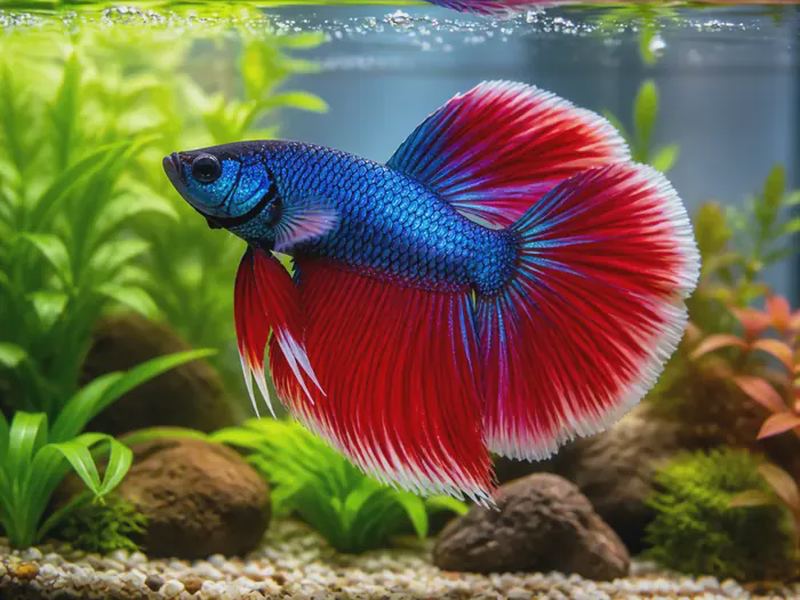
What Is Fin Rot? Understanding the Disease
Fin rot is a common bacterial or fungal infection that causes the fins and tail of aquarium fish to fray, discolor, and deteriorate. If left untreated, it can progress to the body and become fatal. As a senior editor at FinHurst, I've seen this condition in both beginner and experienced tanks. The key to successful fin rot treatment is early detection and addressing the underlying cause — usually poor water quality or stress.
Fin rot typically starts at the fin edges, appearing as white or reddened margins. The tissue then erodes, leaving ragged, split fins. In severe cases, the infection reaches the fin base (body), where it can cause open sores and systemic illness. The disease is most often bacterial (caused by Pseudomonas, Aeromonas, or Vibrio species), but fungal infections can mimic or complicate it.
Fin Rot Symptoms: How to Spot It Early
Recognizing fin rot early improves treatment success. Watch for these signs:
- Ragged or split fins — edges appear torn, uneven, or stringy
- White, cloudy, or reddened fin margins — inflammation or necrosis
- Discoloration — fins turn black, brown, or bloody at the tips
- Fins clamping — fish holds fins close to body (also a stress sign)
- Loss of appetite or lethargy — advanced cases
- Red streaks on the body or fin base — indicates septicemia (blood infection)
Compare with fin nipping (aggressive tankmates) — nipped fins have clean, straight tears, while fin rot has ragged, decaying edges often with white or red borders.
Primary Causes of Fin Rot
Fin rot is almost always secondary to stress. The most common triggers include:
- Poor water quality — elevated ammonia, nitrite, or nitrate weakens fish immunity
- Temperature stress — sudden drops or prolonged improper range
- Overcrowding — increases waste and aggression
- Injuries — from decor, netting, or aggressive tankmates
- Poor diet — vitamin deficiency (especially C and E) impairs fin regeneration
For example, bettas are prone to fin rot when kept in tanks under 5 gallons (the minimum for a single betta) or in uncycled bowls. Neon tetras, which prefer 72-78°F (22-26°C), can develop fin rot if water temperature fluctuates widely.
Fin Rot Treatment: Step-by-Step Protocol
Effective fin rot treatment requires a two-pronged approach: correct the environment and, if necessary, use medication. Here is my recommended protocol based on clinical evidence and personal experience.
Step 1: Quarantine (If Needed)
Move affected fish to a hospital tank (5-10 gallons) if you have one. This prevents medication from harming your biological filter and allows precise dosing. If quarantine is not possible, treatment in the main tank is acceptable but requires extra care with water changes.
Step 2: Optimize Water Quality
Test your water immediately. Targets:
| Parameter | Target Level | Action if Off |
|---|---|---|
| Ammonia | 0 ppm | 50% water change, add beneficial bacteria |
| Nitrite | 0 ppm | 50% water change, reduce feeding |
| Nitrate | <20 ppm (ideally <10 ppm during treatment) | 25-50% water change |
| pH | 6.5-7.5 (species-dependent) | Adjust slowly (max 0.5 change per day) |
| Temperature | Species optimum (e.g., betta 78-80°F / 25-27°C) | Use heater, adjust 1-2°F per hour |
Perform a 25-50% water change daily during treatment. Vacuum gravel to remove decaying matter. A fully cycled aquarium (nitrogen cycle takes 4-6 weeks) is essential for recovery.
Step 3: Use Medication (If Necessary)
For mild fin rot (less than 20% fin loss), clean water alone may suffice. For moderate to severe cases, choose one of these:
| Medication | Active Ingredient | Dosage (per 10 gallons) | Notes |
|---|---|---|---|
| API Melafix | Tea tree oil (Melaleuca) | 5 mL (1 tsp) | Gentle, good for early stages; can reduce surface tension |
| Seachem Kanaplex | Kanamycin sulfate | 1 scoop (100 mg) | Broad-spectrum antibiotic; effective for bacterial fin rot |
| Furan-2 (nitrofurazone) | Nitrofurazone + other | 1 packet per 10 gal, repeat after 24h | For severe cases; stains silicone and decor yellow |
| Aquarium salt (NaCl) | Sodium chloride | 1 tbsp per 5 gal (1 tsp per gal for sensitive fish) | Use for mild cases; not for scaleless fish (corydoras, loaches) |
Follow the manufacturer's instructions precisely. Remove activated carbon from filters during treatment. Complete the full course even if fins look better.
Step 4: Support Healing
Offer high-quality, vitamin-enriched foods (e.g., flakes with added vitamin C, frozen bloodworms, brine shrimp). For bettas, consider a varied diet including live foods. Check our Aquarium Fish Feeding Guide for species-specific recommendations.
Maintain stable temperature and low lighting to reduce stress. Add Indian almond leaves (catappa) — they release tannins with mild antifungal and antibacterial properties.
From Experience: What I've Learned Treating Fin Rot
I've treated fin rot in dozens of tanks over the years, and the single most common mistake is rushing to medication without fixing the water. In one case, a client's betta had lost nearly half its tail. The owner had been using a 2-gallon bowl with no filter. After moving the fish to a cycled 5-gallon tank at 79°F (26°C) and doing daily 30% water changes for a week, the fin rot stopped progressing. No medication was needed. The fins grew back fully in three weeks. That experience cemented my belief: clean water is the foundation of any fin rot treatment.
Another lesson: never combine multiple antibiotics without a vet's guidance. I once saw a hobbyist use three different medications simultaneously, which killed the biological filter and the fish. Stick to one treatment at a time.
Preventing Fin Rot: Long-Term Aquarium Health
Prevention is far easier than cure. Follow these guidelines:
- Cycle your tank fully before adding fish (see our Nitrogen Cycle Guide)
- Stock appropriately — use the Aquarium Stocking Guide to avoid overcrowding
- Maintain stable water parameters — test weekly, change 25% weekly
- Provide a balanced diet — variety prevents deficiencies
- Quarantine new fish for 2-4 weeks before adding to main tank
- Avoid sharp decor — use smooth rocks and silk or live plants
Species-specific temperature ranges (always maintain within these):
| Species | Temperature Range | Minimum Tank Size |
|---|---|---|
| Betta | 78-80°F (25-27°C) | 5 gallons |
| Neon Tetra | 72-78°F (22-26°C) | 10 gallons |
| Goldfish (fancy) | 68-75°F (20-24°C) | 20 gallons for first, +10 per extra |
| Guppy | 72-82°F (22-28°C) | 10 gallons |
| Cherry Shrimp | 65-80°F (18-27°C) | 5 gallons |
If you keep fancy goldfish, be aware they are especially prone to fin rot due to their slow swimming and delicate fins. See our Fancy Goldfish Breeds Guide for breed-specific care.
Fin Rot vs. Other Fin Issues: Differential Diagnosis
Fin rot can be confused with other conditions. Here is a quick comparison:
- Fin nipping — clean, straight edges; usually multiple fish affected; check tankmates
- White spot (Ich) — white salt-like grains on fins and body, not erosion. See White Spot Ich Guide
- Columnaris (mouth fungus) — cottony growth on mouth or fins, spreads fast
- Fungal infection — fluffy white or gray tufts, usually on existing wounds
If unsure, treat for bacterial fin rot first (most common) and observe response.
When to Expect Recovery
Fin tissue regenerates slowly. With proper treatment:
- Mild cases: improvement visible in 3-5 days, full regrowth in 1-2 weeks
- Moderate cases: stop spreading in 2-3 days, regrowth in 2-4 weeks
- Severe cases (body involvement): 1-2 weeks for infection control, 4-8 weeks for fin regrowth
Regrown fins may appear transparent or have a different color initially; this is normal. If no improvement after 5 days of medication, consider switching to a different antibiotic (e.g., from Melafix to Kanaplex). Always consult a fish veterinarian for resistant cases.
From Experience: A Cautionary Tale
I once treated a community tank with neon tetras and guppies that had chronic fin rot. The water tested fine for ammonia and nitrite, but nitrate was 60 ppm. The owner had not done a water change in a month. After a series of 40% changes over three days (bringing nitrate to 15 ppm), the fin rot cleared without any medication. That taught me that high nitrate is a silent stressor. Keep nitrate below 20 ppm, and during outbreaks, below 10 ppm.
💬 Comments
No comments yet — be the first!
Sign in to comment