
The nitrogen cycle explained: from fish waste to plant food
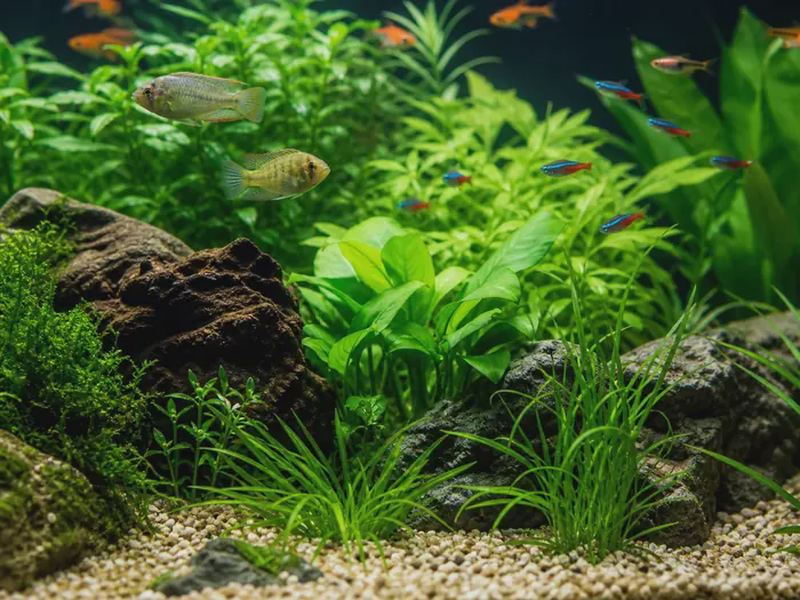
Introduction: The Invisible Engine of Every Aquarium
Every aquarium, from a ten-gallon nano tank to a sprawling public display, operates on a single, non-negotiable biological principle: the nitrogen cycle. Without it, fish waste—primarily ammonia—would accumulate to lethal concentrations within hours. Yet, this process is entirely invisible to the naked eye, a silent, bacterial-driven transformation that converts toxic excretions into harmless nitrogen gas and, crucially, into plant-available nutrients. For the aquarist, understanding this cycle is not merely academic; it is the difference between a thriving ecosystem and a chronic struggle with unexplained fish losses, algae blooms, and stunted growth. The nitrogen cycle is the biological filtration system that underpins all life in the closed aquatic environment, and mastering it is the foundational skill of the hobby.
At its core, the cycle is a series of redox reactions performed by chemosynthetic bacteria. These microbes extract energy by oxidizing inorganic nitrogen compounds, using them as an electron donor in a manner analogous to how we use glucose. The process is not a single step but a cascade, each stage performed by a distinct microbial consortium adapted to specific oxygen and nutrient conditions. Modern aquarium science, informed by decades of microbial ecology research, has refined our understanding of these communities, moving beyond the simplistic “good bacteria” label to a nuanced picture of specialized nitrifiers, denitrifiers, and heterotrophic consumers. This article will dissect each stage of the cycle, examine the empirical evidence behind optimal parameters, and provide actionable, science-based guidance for establishing and maintaining a healthy nitrogen economy in your aquarium.
The practical implications are immense. A properly cycled tank can handle a bioload that would otherwise be fatal, maintains water quality that promotes vibrant coloration and breeding behavior, and reduces the frequency of water changes. Conversely, a tank that has not completed its cycle—or one where the cycle has collapsed due to medication or over-cleaning—is a ticking time bomb. By the end of this article, you will not only understand the biochemistry but also be equipped with the diagnostic skills to read your tank’s nitrogen levels and intervene intelligently, turning you from a passive observer into an active manager of your aquatic micro-ecosystem.
Stage One: Ammonia Production and the Urea Cycle
The journey begins with the fish itself. As a fish metabolizes protein, the nitrogen-containing amino groups are stripped away in the liver, a process known as deamination. The resulting ammonia (NH₃) is highly toxic, interfering with cellular metabolism and damaging gill tissue at concentrations as low as 0.02 mg/L for sensitive species. To mitigate this, most teleost fish convert ammonia into the less toxic urea (CH₄N₂O) via the ornithine-urea cycle, a pathway that requires energy but reduces the immediate toxicity of their waste. This urea is then excreted through the gills and urine. However, the fish’s gills also directly diffuse a significant fraction of ammonia (typically 60-80% of total nitrogenous waste) across the gill membrane, driven by the concentration gradient between the blood and the surrounding water. In a closed system, this ammonia does not dissipate; it accumulates.
Beyond fish excretion, additional ammonia sources are often overlooked. Unconsumed food, particularly high-protein flakes and pellets, undergoes bacterial decomposition, releasing ammonia directly as amino acids are broken down. Dead plant matter and even the decaying bodies of invertebrates contribute to this pool. Furthermore, the biological activity of the aquarium’s own detritivores—snails, shrimp, and copepods—while beneficial, also adds to the total nitrogen load. Research published in Aquaculture has demonstrated that for a typical community tank, fish excretion accounts for roughly 50-60% of total ammonia input, with feed waste contributing 30-40% and decaying organic matter the remainder. This highlights the critical importance of conservative feeding—overfeeding is the primary driver of ammonia spikes in established tanks, not the fish themselves.
The toxicity of ammonia is pH-dependent. In acidic water (pH below 7.0), ammonia exists primarily as the less toxic ammonium ion (NH₄⁺), which is positively charged and cannot easily cross lipid membranes. However, as pH rises above 7.0, the equilibrium shifts toward the un-ionized, lipophilic form (NH₃), which readily diffuses into fish tissues. At pH 8.0, for example, nearly 10% of total ammonia is in the toxic form, compared to less than 1% at pH 6.5. This is why a sudden pH crash in a heavily stocked tank can be catastrophic—the same total ammonia concentration becomes significantly more lethal. This parameter is so critical that professional aquaculturists routinely monitor both total ammonia nitrogen (TAN) and pH simultaneously, calculating the actual concentration of toxic NH₃ using the Whitfield equation to assess risk accurately.
Stage Two: Nitrosomonas and the Oxidation to Nitrite
Once ammonia enters the water column, the first line of biological defense is a group of gram-negative, obligate chemolithoautotrophic bacteria belonging primarily to the genera Nitrosomonas, Nitrosococcus, and Nitrosospira. These organisms oxidize ammonia to nitrite (NO₂⁻) using the enzyme ammonia monooxygenase (AMO). The reaction is: NH₃ + O₂ → NO₂⁻ + 3H⁺ + 2e⁻. This reaction releases energy, which the bacteria use to fix carbon dioxide via the Calvin cycle, allowing them to build organic matter without consuming organic food. This is a fundamentally different metabolic strategy from the heterotrophic bacteria that decompose fish food; nitrifiers are primary producers in the chemical sense, and their growth rate is notoriously slow, with doubling times ranging from 8 to 24 hours under optimal conditions.
This slow growth is the bottleneck of the nitrogen cycle. In a newly established tank, the population of Nitrosomonas is minuscule. As ammonia levels rise from the initial fish introduction, these bacteria begin to multiply exponentially, but the lag phase can last several weeks. The colonization process is also surface-area dependent. Nitrifiers are not free-floating; they form a biofilm on solid substrates—filter media, gravel, glass, and decorations. Research using fluorescent in-situ hybridization (FISH) has shown that Nitrosomonas cells are typically found in the deeper layers of the biofilm, where they are protected from shear forces but require a steady supply of oxygen and ammonia diffusing through the matrix. This explains why a brand-new sponge filter is far less effective than one that has been seasoned for months in an established tank.
Nitrite, the product of this first oxidation step, is also toxic to fish. It binds to hemoglobin, converting it to methemoglobin, which cannot carry oxygen, leading to a condition known as “brown blood disease.” Symptoms include rapid gill movement, lethargy, and gasping at the surface despite adequate dissolved oxygen levels. The safe concentration for most freshwater fish is below 0.1 mg/L. The presence of a nitrite spike in a cycling tank is the classic “second week” phenomenon, where ammonia has been successfully converted but the Nitrobacter-type bacteria have not yet established a sufficient population to handle the incoming nitrite. This is a period of high stress for any livestock, and it is why the “fishless cycling” method, using pure ammonia as a source, is strongly recommended by aquatic scientists—it allows the bacterial colonies to develop without exposing living animals to these intermediate toxins.
Stage Three: Nitrobacter and the Conversion to Nitrate
The second and final oxidation step in the primary cycle is performed by bacteria in the genus Nitrobacter, along with Nitrospira and Nitrospina. These organisms oxidize nitrite to nitrate (NO₃⁻) using the enzyme nitrite oxidoreductase (NXR). The reaction is: NO₂⁻ + ½O₂ → NO₃⁻. This step yields less energy per electron than the ammonia oxidation, which partially explains why nitrite oxidizers often have even slower growth rates and are more sensitive to environmental perturbations. For years, Nitrobacter was considered the dominant genus, but modern metagenomic studies have revealed that Nitrospira is often more abundant in freshwater aquariums, particularly in low-nutrient conditions, due to its higher substrate affinity and lower half-saturation constant for nitrite.
Nitrate is significantly less toxic than ammonia or nitrite. It is the end product of the aerobic nitrogen cycle and accumulates in the aquarium over time. The recommended maximum concentration for most freshwater community tanks is 20-40 mg/L, although some sensitive species like discus (Symphysodon spp.) and wild-caught Cardinals (Paracheirodon axelrodi) show stress symptoms above 10 mg/L. However, nitrate is not biologically inert. At elevated levels, it can inhibit calcium uptake in fish, leading to skeletal deformities in growing fry, and it is a primary driver of nuisance algae growth, particularly green water and hair algae. This is where the nitrogen cycle’s role as “plant food” becomes critical—nitrate is the primary nitrogen source for aquatic plants, which assimilate it through their roots and leaves.
The conversion of nitrite to nitrate is the point where the cycle is considered “complete” for the purposes of biological filtration. A tank is deemed “cycled” when it can process a daily ammonia load of 1-2 mg/L and show zero ammonia and zero nitrite within 24 hours. However, this is not the end of the story. The nitrate that accumulates is not removed by the aerobic cycle alone. Without intervention, it will climb indefinitely. This is why routine water changes are the primary export mechanism for most hobbyists, removing a fraction of the nitrate and replacing it with fresh, dechlorinated water. But there is a more elegant, biologically driven solution: denitrification, which occurs in oxygen-poor zones of the aquarium, such as deep gravel beds, the interior of porous rock (e.g., lava rock or ceramic rings), or within the biomass of a refugium.
Denitrification: The Anaerobic Completion
In the absence of oxygen, a different group of facultative anaerobic bacteria, including Pseudomonas, Paracoccus, and Bacillus species, can use nitrate as a terminal electron acceptor in place of oxygen. This process, called denitrification, reduces nitrate (NO₃⁻) to nitrogen gas (N₂), which then bubbles out of the water and is lost to the atmosphere. The sequential reduction steps are: NO₃⁻ → NO₂⁻ → NO → N₂O → N₂. This is a multi-step process, and each intermediate can be released as a byproduct if the metabolic pathway is incomplete, which can happen in fluctuating oxygen conditions. The key environmental requirement is a low-oxygen (anoxic) microzone, typically below 0.5 mg/L dissolved oxygen, but not completely devoid of oxygen, as the bacteria still require some for cellular maintenance.
Creating these anoxic zones in a home aquarium is a challenge. A deep sand bed (DSB) of 4-6 cm (1.5-2.5 inches) of fine sand, such as aragonite or silica sand, can develop such zones over time, but this requires patience and careful maintenance to avoid hydrogen sulfide (H₂S) production, which occurs when sulfate-reducing bacteria outcompete denitrifiers in fully anoxic, high-sulfur environments. A safer, more controllable method is the use of a denitrifying reactor, which uses a slow flow of water through a sealed chamber containing a carbon source (e.g., sugar or ethanol) to stimulate bacterial activity. However, these reactors require precise tuning and can crash if the carbon source is over-dosed, leading to a rapid oxygen depletion and a mass die-off of the denitrifying community.
For the majority of planted aquariums, the most effective denitrification is not performed by bacteria at all, but by the plants themselves. Aquatic plants, particularly fast-growing stem plants like Hygrophila and Rotala, and floating species like Salvinia and Lemna (duckweed), have a high nitrogen demand. They assimilate nitrate, ammonium, and even amino acids directly from the water column. Research from the University of Florida’s IFAS Extension has shown that a dense stand of fast-growing plants can reduce nitrate levels by 50-70% per week, effectively functioning as a biological nitrate sink. This is why heavily planted tanks often require far less frequent water changes than fish-only systems—the plants are performing the final step of the nitrogen cycle, converting the end product into biomass that can be pruned and removed, thus exporting nitrogen from the system entirely.
Practical Cycling Strategies: Fishless vs. Fish-In
The establishment of the nitrogen cycle is a race against the clock. The traditional “fish-in” cycling method, where hardy fish are introduced to a new tank to provide an ammonia source, is now widely discouraged by aquatic scientists due to the unavoidable stress and potential gill damage inflicted on the animals. A study published in the Journal of Fish Biology documented that even hardy species like zebra danios (Danio rerio) show elevated cortisol levels and increased gill epithelial hyperplasia when exposed to ammonia concentrations above 0.5 mg/L for more than 48 hours. The modern, evidence-based approach is fishless cycling, which uses a pure ammonia source (e.g., ammonium chloride) to simulate fish waste without any biological risk.
For fishless cycling, the process is methodical. First, set up the aquarium with substrate, filter, and heater, and dechlorinate the water. Then, add a source of ammonia to a target concentration of 2-4 mg/L TAN. Test the water daily for ammonia, nitrite, and nitrate. When ammonia drops to near zero, re-dose to the target level. This repeated dosing “feeds” the growing Nitrosomonas population. After 1-2 weeks, nitrite will begin to appear, signaling the second stage. Continue dosing ammonia, but be prepared for the nitrite concentration to spike dramatically, often exceeding 10 mg/L. This is normal. Finally, as the Nitrospira population matures, nitrite will drop to zero, and you will see a steady rise in nitrate. The tank is considered fully cycled when you can add 2 mg/L of ammonia and see both ammonia and nitrite at zero within 24 hours, with a corresponding nitrate increase.
An alternative, faster method is to “seed” the new tank with mature filter media or substrate from an established aquarium. This is a form of bio-augmentation, transferring living nitrifying bacteria. Studies have shown that this can reduce the cycling time from 4-6 weeks to 1-2 weeks, dramatically shortening the risk window. However, it is crucial to ensure the source tank is disease-free. A more recent development is the use of bottled bacteria products containing live nitrifiers. While the efficacy of these products has been historically inconsistent, a 2019 study in Aquacultural Engineering found that certain commercial products containing Nitrosomonas and Nitrospira cultures, when kept refrigerated and used within the expiration date, could establish a cycle in 7-10 days, comparable to seeded media. The key is to follow the manufacturer’s instructions precisely, including the addition of an ammonia source, as these bacteria do not survive well without a food substrate.
Maintaining the Cycle: Monitoring, Troubleshooting, and the Role of pH and Temperature
Once established, the nitrogen cycle is remarkably robust, but it is not invincible. The primary factors that can disrupt it are oxygen depletion, pH crashes, and the use of antibiotics or other medications. Nitrifying bacteria are obligate aerobes; they require dissolved oxygen concentrations above 2 mg/L to function efficiently. In a heavily stocked tank or during a power outage, oxygen can drop rapidly, and the first casualty is often the nitrifying biofilm. Similarly, nitrification itself produces hydrogen ions (H⁺), which lowers pH. In soft, poorly buffered water, this can cause a pH crash below 6.0, where ammonia exists mainly as non-toxic NH₄⁺, but the bacteria’s metabolic efficiency plummets. This can create a feedback loop: the cycle slows, ammonia rises, but in its non-toxic form, it doesn’t kill the fish, yet the bacteria are starving. The solution is to maintain adequate carbonate hardness (KH) above 4 dKH, which buffers against pH swings.
Regular maintenance is a balancing act. Cleaning the filter is essential, but over-cleaning can destroy the bacterial colony. The rule of thumb is to rinse filter media in a bucket of dechlorinated, tank-temperature water, never under tap water, which contains chlorine or chloramine that will kill the bacteria. Never replace all filter media at once; stagger the replacement of mechanical media (filter floss) and biological media (ceramic rings, bio-balls). A study from the University of Plymouth found that replacing 50% of the biological media in a trickle filter reduced ammonia oxidation efficiency by 30% for several days until the new media was colonized. Therefore, the safest approach is to only replace mechanical media, and to gently squeeze out biological media to remove detritus without disrupting the biofilm structure.
Troubleshooting a cycle crash requires immediate action. If ammonia or nitrite are detected above 0.5 mg/L, the first step is to perform a 30-50% water change to dilute the toxin. Next, check the filter for blockages and ensure adequate water flow and surface agitation for gas exchange. If the pH is below 6.5, add a buffer like sodium bicarbonate (baking soda) at a rate of 1 teaspoon per 10 gallons, but do so gradually. For a severe crash, adding a commercial nitrifying bacteria supplement can help re-establish the colony. Finally, reduce feeding to every other day or skip feeding entirely for 48 hours to lower the ammonia load on the still-recovering system. The cycle is resilient; with prompt intervention, a tank can typically recover within a week.
FAQ: Common Questions from Aquarium Keepers
Q: How long does a full nitrogen cycle take?
A: For a new, fishless cycle with pure ammonia, expect 4-6 weeks. Using seeded media or high-quality bottled bacteria can shorten this to 1-2 weeks. The process is temperature-dependent; warmer water (82-86°F / 28-30°C) accelerates bacterial metabolism, but do not exceed 86°F as it can harm the bacteria.
Q: Is it safe to use tap water for water changes during a cycle?
A: No. Tap water contains chlorine or chloramine, which are biocides that will kill nitrifying bacteria. Always use a dechlorinator that neutralizes both chlorine and chloramine, and ideally one that also binds heavy metals. If using chloramine-treated water, the dechlorinator will break the bond, releasing ammonia—this is an additional ammonia source that must be accounted for in your testing.
Q: My nitrite has been high for three weeks and isn’t dropping. What’s wrong?
A: This is a common stall. It often occurs because the pH has dropped too low (below 7.0) for Nitrospira to thrive. Check your KH and pH. If pH is below 6.8, raise it to 7.2-7.5 using a buffer. Also, ensure the tank is well-oxygenated; nitrite oxidation is highly oxygen-dependent. Consider adding a second air stone or pointing a powerhead at the water surface to increase gas exchange.
Q: Do I need to cycle a tank that will only have plants and no fish?
A: Yes, but the cycle is different. Plants will consume ammonia directly, so a fishless cycle is still beneficial to establish a bacterial population that will support future fish. However, in a heavily planted tank, the plants themselves can be the primary ammonia sink, and you may see very low nitrite spikes. Still, establishing the bacterial colony is a safety net for when plants are pruned or if they experience a die-off.
Q: Can I use live plants to speed up the nitrogen cycle?
A: Absolutely. Fast-growing plants like Egeria densa (Anacharis) or Ceratophyllum demersum (Hornwort) can absorb ammonia and nitrite directly, reducing the concentration that the bacteria need to process. This does not eliminate the need for bacteria, but it reduces the toxic load on fish during the cycling period. In a 2020 study, tanks with floating plants cycled 30% faster than those without, due to the plants’ rapid nitrogen uptake.
Conclusion: The Cycle as a Living System
The nitrogen cycle is not a static chemical process; it is a dynamic, living system that responds to your management. It is a community of billions of microscopic organisms working in concert with the fish, plants, and your own maintenance routine. Understanding this cycle transforms the aquarium from a glass box of water into a functioning ecosystem. The key takeaway is that you are not just keeping fish; you are managing a bacterial culture that makes fish keeping possible. Every action—from feeding to water changes to filter cleaning—directly impacts this microbial engine.
The evidence is clear: patience is the greatest tool in an aquarist’s arsenal. Rushing the cycle, overcrowding, or overfeeding are the leading causes of the “new tank syndrome” that kills so many first-time fish. By adopting a fishless cycling method, monitoring your water parameters with reliable test kits, and maintaining stable pH, temperature, and oxygen levels, you create a resilient biological filter that can handle the daily load of fish waste. The reward is a stable, clear-water aquarium where fish display natural behaviors, plants grow vigorously, and the need for emergency interventions becomes a rarity.
As you move forward, view your nitrogen cycle as a health metric. A sudden ammonia spike is not a mystery; it is a diagnostic signal pointing to overfeeding, filter neglect, or a bacterial die-off. A persistent nitrate reading above 40 mg/L is a prompt to increase water changes or add more plants. The science is not complicated, but it requires consistent observation. Embrace the role of an ecosystem manager, and your aquarium will thrive as a testament to the elegant, invisible chemistry that sustains all aquatic life.
💬 Comments
No comments yet — be the first!
Sign in to comment