
Cherry Shrimp Care: Tank Setup, Water Parameters & Breeding
Introduction to Cherry Shrimp Care
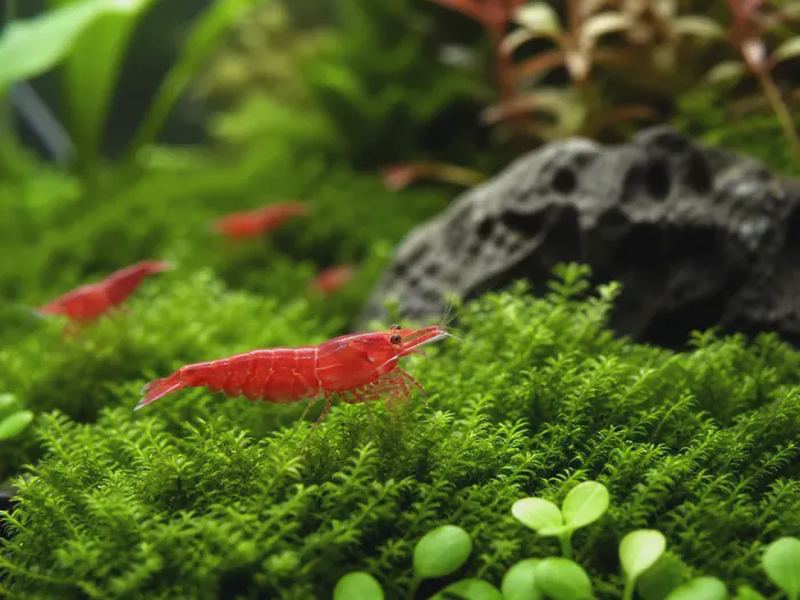
Cherry shrimp (Neocaridina davidi) are one of the most popular freshwater shrimp in the aquarium hobby. Their bright red coloration, peaceful nature, and relatively easy care requirements make them an excellent choice for beginners and experienced aquarists alike. This guide covers everything you need to know about cherry shrimp care, from tank setup and water parameters to breeding and feeding.
From experience, I have kept cherry shrimp in multiple tanks over the past five years. They thrive in a well-cycled, planted aquarium with stable water conditions. The key to success is patience and consistency.
Cherry Shrimp Tank Setup: Size, Substrate & Equipment
Minimum Tank Size
A 5-gallon tank is the minimum recommended size for a small colony of cherry shrimp (10-15 individuals). Larger tanks, such as 10 or 20 gallons, provide more stable water parameters and allow for a larger population. For comparison, a betta fish requires a minimum of 5 gallons (see our betta fish care guide), but shrimp can be kept in smaller volumes if carefully maintained.
Substrate
Cherry shrimp do not require specialized substrate. Fine gravel, sand, or inert planted tank substrates work well. Dark substrates help bring out their red coloration and make them more visible. Avoid sharp-edged gravel that could injure shrimp during molting.
Filtration
Use a sponge filter or a hang-on-back filter with a pre-filter sponge on the intake. Cherry shrimp are tiny and can be sucked into unprotected filter intakes. Sponge filters are ideal because they provide gentle flow and surface area for beneficial bacteria.
Lighting
Low to moderate lighting is sufficient. Cherry shrimp do not have specific light requirements, but live plants like Java moss, Anubias, and floating plants benefit from moderate light. Avoid intense lighting that causes algae blooms.
Water Parameters for Cherry Shrimp
Stable water parameters are critical for cherry shrimp health and breeding. Below is a comparison table with ideal ranges and tolerance limits.
| Parameter | Ideal Range | Tolerance | Notes |
|---|---|---|---|
| Temperature | 72-78°F (22-26°C) | 65-80°F (18-27°C) | Breeding slows below 72°F |
| pH | 6.5-7.5 | 6.0-8.0 | Stable pH is more important than exact number |
| GH (General Hardness) | 6-8 dGH | 4-10 dGH | Needed for proper molting |
| KH (Carbonate Hardness) | 3-6 dKH | 2-8 dKH | Buffers pH |
| Ammonia | 0 ppm | 0 ppm | Toxic even at low levels |
| Nitrite | 0 ppm | 0 ppm | Toxic |
| Nitrate | <20 ppm | <40 ppm | Higher levels stress shrimp |
Before adding cherry shrimp, the tank must be fully cycled. The nitrogen cycle typically takes 4-6 weeks to establish. For detailed instructions, see our nitrogen cycle guide.
Aquarium Mates for Cherry Shrimp
Cherry shrimp are peaceful and should be kept with non-aggressive tank mates. Small, peaceful fish are best. Avoid large or predatory species. Below is a comparison table of suitable and unsuitable tank mates.
| Species | Compatibility | Notes |
|---|---|---|
| Neon Tetra | Good | Peaceful; neon tetra care guide available here |
| Guppy | Good | May eat shrimplets if hungry; provide hiding places |
| Betta | Caution | Betta may eat shrimp; depends on individual temperament |
| Goldfish | Poor | Goldfish will eat shrimp; see fancy goldfish breeds guide |
| Otocinclus | Excellent | Peaceful algae eater |
| Amano Shrimp | Good | Larger but peaceful |
From experience, I have kept cherry shrimp with neon tetras and guppies without issues, as long as the shrimp have plenty of moss and plants to hide in. Bettas are hit or miss some will ignore shrimp, others will hunt them. Always monitor new introductions.
Feeding Cherry Shrimp
Cherry shrimp are omnivorous scavengers. They eat algae, biofilm, and detritus in the tank, but supplemental feeding ensures proper nutrition and color. Feed a varied diet including:
- High-quality shrimp pellets or wafers (e.g., Hikari Shrimp Cuisine)
- Blanched vegetables (zucchini, spinach, cucumber)
- Algae wafers
- Protein-rich foods (daphnia, brine shrimp) once or twice a week
Feed small amounts once daily, removing uneaten food after 2 hours to prevent water quality issues. Overfeeding is a common cause of nitrate spikes. For general feeding advice, see our aquarium fish feeding guide.
Breeding Cherry Shrimp
Cherry shrimp breed readily in captivity under good conditions. They are easy to breed, making them a favorite for hobbyists.
Sexing
Females are larger, have a more rounded abdomen, and develop a yellow saddle (ovaries) behind the head. Males are smaller, slimmer, and less colorful.
Breeding Conditions
- Temperature: 74-78°F (23-26°C) for optimal breeding
- Water changes: Weekly 10-20% with dechlorinated water
- Diet: Include high-protein foods to support egg development
Life Cycle
After mating, the female carries 20-30 eggs under her tail for 3-4 weeks. The eggs are initially yellow and turn darker as they develop. Hatching produces tiny shrimplets that look like miniature adults. They are fully independent from birth and require no special care beyond the same conditions as adults. Shrimplets are vulnerable to fish predation, so provide dense plant cover.
Shrimplets reach sexual maturity in 2-3 months. A healthy colony can grow rapidly. To manage population, you can sell extra shrimp or introduce a small, peaceful fish that will eat some shrimplets.
Common Health Issues in Cherry Shrimp
Molting Problems
Cherry shrimp molt regularly to grow. Incomplete molts can be fatal. Causes include low GH, sudden water parameter changes, or iodine deficiency. Maintain GH at 6-8 dGH and ensure a varied diet.
White Spot Disease (Ich)
Although ich is more common in fish, shrimp can carry the parasite. If you see white spots on shrimp, quarantine and treat with low doses of ich medication (check that it is shrimp-safe). For details, see our white spot ich guide.
Bacterial Infections
Red or white discoloration, lethargy, or sudden death may indicate bacterial infection. Improve water quality, remove affected individuals, and consider shrimp-safe antibacterial treatments.
Parasites
External parasites like Scutariella japonica (white worms on the head) can be treated with salt dips or commercial shrimp parasite remedies.
Stocking and Colony Management
Cherry shrimp can be kept in a species-only tank or as part of a community. A 10-gallon tank can comfortably house 50-100 shrimp once established. Avoid overstocking, as it leads to waste buildup and stress.
When adding new shrimp, quarantine them for 2-3 weeks to prevent introducing diseases. Drip acclimate them over 1-2 hours to match water parameters. For general stocking advice, see our aquarium stocking guide.
From experience, I recommend starting with 10-15 shrimp and letting the colony grow naturally. Avoid buying large numbers at once, as water quality can destabilize. A well-planted tank with stable parameters will see the colony thrive.
💬 Comments
No comments yet — be the first!
Sign in to comment