
Goldfish Care: Tank Setup, Diet, and Health
Why Proper Goldfish Care Matters
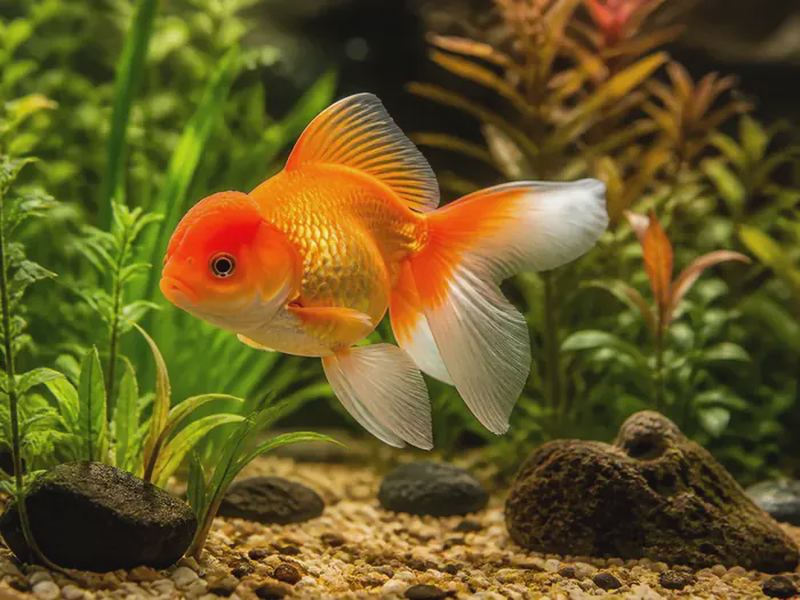
Goldfish are one of the most popular aquarium fish, yet they are also among the most misunderstood. Many people still believe a goldfish can live happily in a bowl. In reality, a single fancy goldfish requires at least 20 gallons, and common goldfish need even more. Poor water quality and undersized tanks are the leading causes of premature death. This guide will walk you through every aspect of goldfish care, from tank setup to diet and disease prevention, so your fish can live 10-20 years or more.
Goldfish Tank Size and Setup
Minimum Tank Size Recommendations
The days of the goldfish bowl are over. Goldfish produce a heavy bioload, meaning they generate a lot of waste. A small tank cannot dilute ammonia and nitrite fast enough. Here are the evidence-based minimums:
| Goldfish Type | Minimum Tank Size | Recommended Tank Size |
|---|---|---|
| Fancy goldfish (e.g., Oranda, Ryukin, Fantail) | 20 gallons for the first fish | 30+ gallons for the first fish, +10 gallons per additional fish |
| Common goldfish (single-tailed, e.g., Comet, Shubunkin) | 40 gallons for the first fish | 55+ gallons for the first fish, +20 gallons per additional fish |
From experience, I have kept fancy goldfish in a 40-gallon breeder tank for years, and they thrived. The extra water volume provides stability that prevents stress and disease. Never use a bowl or a tank under 10 gallons for any goldfish.
Filtration and Water Flow
Goldfish are messy eaters and produce more waste than tropical fish like bettas or neon tetras. A canister filter or a hang-on-back filter rated for twice your tank volume is ideal. For a 40-gallon tank, choose a filter rated for 80 gallons per hour (GPH) or more. Goldfish prefer gentle to moderate water flow; strong currents can stress them. Use a spray bar or diffuser to soften the output.
Substrate and Decor
Smooth gravel or sand is best. Avoid sharp gravel that can injure goldfish mouths or delicate fins. Sand is especially good because goldfish like to sift through it looking for food. Add decorations like smooth rocks, driftwood, and artificial or live plants. Goldfish may uproot or eat live plants, so choose hardy species like Java fern, Anubias, or floating plants like hornwort. Avoid plastic plants with sharp edges.
Water Parameters for Goldfish
Goldfish are coldwater fish, but they tolerate a range of temperatures. The key is stability. Here are the target parameters:
| Parameter | Ideal Range | Notes |
|---|---|---|
| Temperature | 68-75°F (20-24°C) | Fancy goldfish prefer the lower end (68-72°F); commons can go slightly higher. |
| pH | 7.0-8.0 | Goldfish tolerate slightly alkaline water. Avoid sudden swings. |
| Ammonia (NH3) | 0 ppm | Toxic even at low levels. Must be zero. |
| Nitrite (NO2) | 0 ppm | Also highly toxic. Must be zero. |
| Nitrate (NO3) | <20-40 ppm | Keep below 20 ppm for best health. Weekly water changes control this. |
| General Hardness (GH) | 4-12 dGH | Goldfish do well in moderately hard water. |
| Alkalinity (KH) | 3-8 dKH | Helps buffer pH. Stable KH prevents pH crashes. |
Before adding goldfish, you must cycle the tank. The nitrogen cycle takes 4-6 weeks to establish beneficial bacteria that convert ammonia to nitrite, then to nitrate. For a detailed guide, see our nitrogen cycle guide. Test your water weekly with a liquid test kit.
Goldfish Diet and Feeding Schedule
Goldfish are omnivores and need a varied diet. A high-quality sinking pellet is the best staple food because it reduces the risk of swim bladder problems. Floating pellets can cause goldfish to gulp air, leading to buoyancy issues.
What to Feed
- Staple: Sinking goldfish pellets (e.g., Hikari, New Life Spectrum). Look for 30-40% protein for growth, 5-10% fat.
- Vegetables: Blanched peas (skinned), spinach, zucchini, or cucumber. Offer 2-3 times per week.
- Treats: Frozen or live foods like bloodworms, daphnia, brine shrimp. Once or twice a week.
- Avoid: Flakes (too much air), high-protein foods meant for tropical fish (causes constipation), and human foods like bread.
Feeding Schedule
Feed goldfish 2-3 times per day, only as much as they can eat in 2 minutes. Overfeeding is the number one cause of poor water quality. For adult goldfish, one feeding per day can be enough. Juveniles need more frequent small meals. Remove uneaten food after 2 minutes.
From experience, I have seen goldfish gobble up pellets in seconds and then beg for more. Resist the urge. A hungry goldfish is a healthy goldfish. For more details, see our aquarium fish feeding guide.
Common Goldfish Health Problems
Goldfish are hardy but susceptible to specific diseases, often due to poor water quality or stress.
Ich (White Spot Disease)
Ich is caused by the parasite Ichthyophthirius multifiliis. Symptoms include white spots like grains of salt on fins and body, flashing, and lethargy. Treatment: raise temperature slowly to 80-82°F (26-28°C) if goldfish can tolerate it (fancy goldfish may not), add aquarium salt (1 tsp per gallon), and use a commercial ich medication. For a full protocol, read our white spot ich guide.
Swim Bladder Disorder
Goldfish often float upside down, sink to the bottom, or swim sideways. Causes: overfeeding, constipation, or poor genetics. Treatment: fast the fish for 2-3 days, then feed a blanched, skinned pea. Ensure water quality is pristine. Avoid floating foods permanently.
Fin Rot
Ragged, frayed fins with red edges. Caused by bacterial infection from poor water. Treatment: improve water quality with daily 25% water changes, add aquarium salt, and use a broad-spectrum antibiotic if needed.
Dropsy
Pinecone-like scales and a swollen belly. This is a symptom of internal bacterial infection or kidney failure. Quarantine the fish. Treatment is difficult; use Epsom salt baths (1 tsp per gallon for 15 minutes) and antibacterial medication. Prevention through excellent water quality is key.
Goldfish Tank Mates and Stocking
Goldfish are social and do best in groups of at least two. However, they are not compatible with all fish. Fancy goldfish are slow swimmers and can be outcompeted for food by faster fish. Common goldfish can be aggressive towards smaller tank mates.
Good Tank Mates
- Other fancy goldfish of similar size and swimming speed
- Common goldfish (with other commons in large tanks)
- White Cloud Mountain Minnows (tolerate cool water)
- Weather Loaches (need large tank, cool water)
- Snails (e.g., Nerite, Mystery) – goldfish may eat small snails
Bad Tank Mates
- Betta fish (need 78-80°F, goldfish prefer cooler water)
- Neon tetras (72-78°F, but too small and may be eaten)
- Guppies (72-82°F, too small, and goldfish may nip fins)
- Cherry shrimp (65-80°F, but will be eaten)
- Any tropical fish requiring temperatures above 75°F
For a full compatibility guide, see our aquarium stocking guide. And if you are interested in fancy goldfish varieties, check out our fancy goldfish breeds guide.
Goldfish Tank Maintenance Schedule
Consistent maintenance is the backbone of goldfish care. Here is a weekly schedule:
| Task | Frequency | Details |
|---|---|---|
| Water change | Weekly | 25-50% of tank volume, depending on stocking and feeding. Use a gravel vacuum to remove waste. |
| Filter cleaning | Monthly | Rinse filter media in old tank water (not tap water) to remove debris. Replace media every 3-6 months. |
| Water testing | Weekly | Test ammonia, nitrite, nitrate, pH, and temperature. Keep a log. |
| Algae cleaning | As needed | Scrape algae off glass with a soft pad. Leave some algae on back glass for natural grazing. |
| Plant trimming | Monthly | Trim dead or overgrown leaves. Remove floating plant excess. |
From experience, a consistent routine prevents 90% of goldfish health problems. I do a 30% water change every Saturday and test water every Sunday. My goldfish have not been sick in years.
Frequently Asked Questions
How big of a tank do I need for one goldfish?
For a fancy goldfish, the minimum is 20 gallons for the first fish. For a common goldfish, the minimum is 40 gallons. A 5-gallon tank is only suitable for a single betta fish, not goldfish.
What temperature should goldfish water be?
Goldfish thrive at 68-75°F (20-24°C). Fancy goldfish prefer the cooler end, around 68-72°F. This is cooler than tropical fish like bettas (78-80°F) or neon tetras (72-78°F).
Can goldfish live with betta fish?
No, goldfish and bettas are not compatible. Goldfish need water at 68-75°F, while bettas require 78-80°F. Additionally, bettas may nip goldfish fins, and goldfish may outcompete bettas for food.
How often should I feed my goldfish?
Feed goldfish 2-3 times per day, giving only as much food as they can eat in 2 minutes. Overfeeding leads to poor water quality and health issues. Adult goldfish can do well on one feeding per day.
How long does it take to cycle a goldfish tank?
The nitrogen cycle takes 4-6 weeks to establish. During this time, ammonia and nitrite levels will spike and then drop to zero. Do not add goldfish until both are at 0 ppm, and nitrate is below 20-40 ppm.
What are the symptoms of ich in goldfish?
Ich appears as small white spots resembling grains of salt on the fins, body, and gills. Affected fish may flash (scratch against objects), become lethargic, and clamp their fins. Treatment includes raising temperature to 80-82°F (if tolerated), aquarium salt, and ich medication.
💬 Comments
No comments yet — be the first!
Sign in to comment