
Goldfish Tank Size: How Many Gallons Per Goldfish?
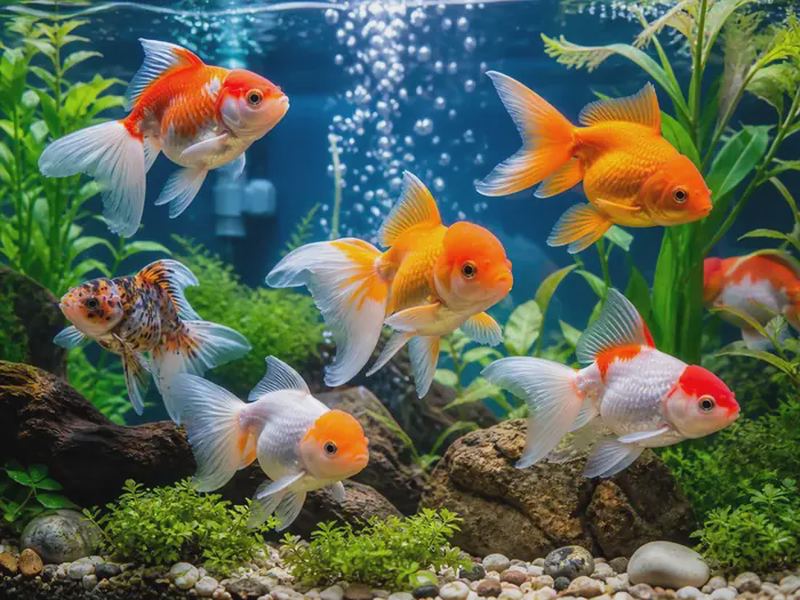
Why Goldfish Tank Size Matters More Than You Think
Goldfish are often sold as easy beginner pets, but their tank size requirements are among the most misunderstood in the aquarium hobby. A proper goldfish tank size directly affects water quality, growth, and lifespan. In the wild, goldfish can reach 12–14 inches and live 20+ years. In a too-small tank, they become stunted, prone to disease, and rarely survive beyond a few years. The key metric is gallons per goldfish, and it varies by body shape and waste output.
From experience, I have seen keepers lose fish within months because they trusted a pet store’s “goldfish bowl” display. A single fancy goldfish needs at least 20 gallons, and common goldfish need 30 gallons for the first fish. These numbers are not arbitrary—they are based on the fish’s bioload and swimming needs.
Goldfish Tank Size Minimums by Type
Goldfish fall into two main categories: fancy (double-tailed, egg-shaped bodies) and single-tailed (common, comet, shubunkin). Each has different space and filtration requirements.
| Goldfish Type | Minimum Tank Size (First Fish) | Additional Gallons Per Extra Fish | Adult Size (inches) |
|---|---|---|---|
| Fancy (e.g., Oranda, Ryukin, Fantail) | 20 gallons | 10 gallons | 6–8 |
| Common/Comet/Shubunkin | 30 gallons | 12–15 gallons | 10–14 |
| Fancy (smaller breeds like Bubble Eye) | 15 gallons | 8 gallons | 4–6 |
These numbers assume a cycled tank with adequate filtration (canister or hang-on-back rated for 2–3x the tank volume). A 20-gallon tank with a filter rated for 40–60 gallons per hour is the minimum for a single fancy goldfish.
Water Parameters for Goldfish
Goldfish are coldwater fish, but they thrive in stable conditions. Ideal parameters:
| Parameter | Ideal Range | Notes |
|---|---|---|
| Temperature | 68–75°F (20–24°C) | Fancies prefer the warmer end; commons tolerate cooler |
| pH | 7.0–8.0 | Stable pH is more important than a specific number |
| Ammonia | 0 ppm | Toxic even at 0.25 ppm |
| Nitrite | 0 ppm | Equally toxic |
| Nitrate | <20–40 ppm | Keep below 20 ppm for fancies; 40 ppm max for commons |
| Hardness (GH) | 8–12 dGH | Moderately hard water is best |
Goldfish produce more ammonia than tropical fish of similar size. A 6-inch goldfish has a bioload comparable to a 10-inch tropical fish. This is why tank size must be generous and filtration robust.
Stocking Schedule: How Many Goldfish Per Tank
Using the minimums above, here is a practical stocking schedule for a cycled aquarium:
| Tank Size | Fancy Goldfish (max) | Common/Comet Goldfish (max) |
|---|---|---|
| 20 gallons | 1 | 0 (too small) |
| 30 gallons | 2 | 1 |
| 40 gallons | 3 | 2 |
| 55 gallons | 4–5 | 2–3 |
| 75 gallons | 6–7 | 3–4 |
| 100+ gallons | 8–10 | 5–6 |
These numbers assume excellent filtration and weekly 25–30% water changes. Overstocking is the #1 cause of poor water quality and disease in goldfish tanks. If you want a community tank, consider tankmates like neon tetras (72–78°F, 0 ammonia) or cycled tank conditions.
Filtration and Water Change Schedule
Goldfish need powerful filtration. A canister filter rated for 2–3x your tank volume is ideal. For a 30-gallon tank, aim for a filter flow of 60–90 gallons per hour (gph). Sponge filters add biological filtration and gentle flow.
Water change schedule:
| Stocking Density | Water Change Frequency | Volume |
|---|---|---|
| Low (1 fancy per 20 gal) | Weekly | 20–25% |
| Moderate (2 fancies per 30 gal) | Twice weekly | 25–30% |
| High (3+ fancies per 40 gal) | Every 3–4 days | 30–40% |
| Common goldfish (any density) | Twice weekly | 30–40% |
Always dechlorinate tap water. A Python no-spill system makes large changes manageable.
Common Goldfish vs. Fancy Goldfish: Space Needs
Common goldfish (including comet and shubunkin) are streamlined, fast swimmers that can reach 14 inches. They need long tanks—at least 4 feet for a single fish. A 30-gallon tank is the absolute minimum for one common goldfish, and a 55-gallon tank is better. Fancy goldfish, with their rounded bodies and double tails, are slower and more delicate. They need depth for swimming but can manage in a 20-gallon tank for one fish. Never mix commons and fancies in a tank under 55 gallons; the commons will outcompete fancies for food and stress them.
From experience, I once kept a single common goldfish in a 40-gallon breeder tank. It grew to 10 inches in two years, and I had to upgrade to a 75-gallon tank. The fish thrived, but the water changes were intense. If I had started with a 75-gallon tank, the fish would have been healthier and I would have saved money.
Goldfish and the Nitrogen Cycle
Before adding goldfish, the tank must be fully cycled. The nitrogen cycle takes 4–6 weeks. During this time, beneficial bacteria colonize the filter media and convert ammonia (from fish waste) into nitrite, then into nitrate. Ammonia and nitrite must be 0 ppm before adding fish. A cycled tank with goldfish will have nitrate readings; keep them below 20 ppm for fancies and 40 ppm for commons. For a complete walkthrough, see our nitrogen cycle guide.
Goldfish are particularly sensitive to ammonia spikes because they produce ammonia continuously. A 20-gallon tank with one fancy goldfish can reach 1 ppm ammonia within 12 hours if the filter is undersized. Test water weekly with a liquid test kit.
Goldfish Tank Setup: Substrate, Decor, and Plants
Choose a smooth substrate like sand or fine gravel to prevent goldfish from swallowing sharp pieces. Goldfish are natural foragers and sift through substrate. Avoid plastic plants with sharp edges; silk plants or hardy live plants like Anubias, Java fern, and hornwort work well. Goldfish may eat soft plants, so choose tough varieties. Provide hiding spots with driftwood or PVC pipes, but leave open swimming space. Fancy goldfish appreciate a gentle current; commons enjoy moderate flow.
Lighting: 8–10 hours per day. Goldfish do not need intense light, but plants do. A timer helps maintain consistency.
Feeding Goldfish in the Right Tank Size
Overfeeding is a common mistake that worsens water quality. Feed goldfish a high-quality sinking pellet or gel food once or twice a day, only what they can eat in 2 minutes. Soak pellets for 10 seconds to prevent swim bladder issues. Supplement with frozen or live foods like brine shrimp, daphnia, and bloodworms once a week. For a detailed feeding plan, see aquarium fish feeding guide.
In a properly sized tank, goldfish will grow steadily. Stunted growth is a sign of under-tanking, not genetics. A 6-inch fancy goldfish in a 20-gallon tank is healthy; a 6-inch common goldfish in a 20-gallon tank is already cramped.
Common Goldfish Diseases and Prevention
Poor water quality from inadequate tank size is the leading cause of disease. White spot (Ich) is common in goldfish stressed by ammonia or temperature swings. Quarantine new fish for 2 weeks and maintain stable temperature (68–75°F). For Ich treatment, see white spot ich guide. Other diseases include fin rot (bacterial, from dirty water) and swim bladder disorder (often from overfeeding or poor diet). A larger tank with good filtration prevents most issues.
Fancy Goldfish Breeds and Their Specific Needs
Fancy goldfish come in many breeds: Oranda (wen hood), Ryukin (humped back), Fantail (double tail), Bubble Eye (fluid-filled sacs), and Pearlscale (rounded body). All have similar tank size needs, but Bubble Eye and Telescope eye are more delicate and should not be kept with boisterous tankmates. For a full breed guide, see fancy goldfish breeds guide. Avoid tall, narrow tanks for fancies; they need horizontal swimming space.
From Experience: A 10-Year Goldfish Keeper’s Advice
I have kept goldfish for over a decade, and the single most important lesson is this: buy the biggest tank you can afford and fit in your home. A 40-gallon tank for two fancy goldfish is a sweet spot. I have seen keepers with 10-gallon tanks lose fish to stunted growth and organ failure within a year. Goldfish are not disposable pets—they can live 15–20 years with proper care. The initial investment in a large tank, strong filter, and quality food pays off in years of enjoyment.
Another tip: test your tap water for ammonia. Some municipal water supplies contain chloramines that break down into ammonia. Use a dechlorinator that neutralizes chloramines and ammonia. I use Seachem Prime because it binds ammonia for 24–48 hours, giving the filter time to process it.
Goldfish Tank Size FAQ
Here are answers to the most common questions about goldfish tank size.
💬 Comments
No comments yet — be the first!
Sign in to comment