
Betta Fish Diet: Best Food and Feeding Schedule
Why Diet Matters for Betta Health
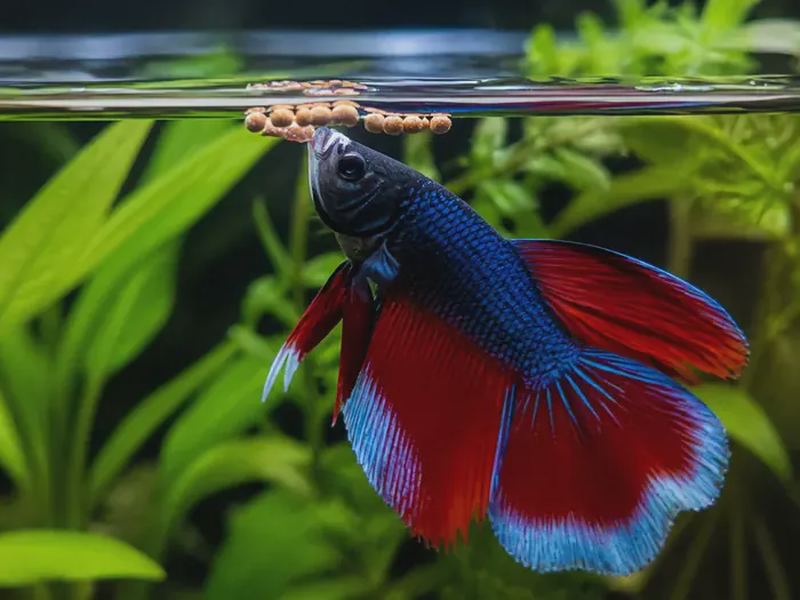
Betta fish (Betta splendens) are obligate carnivores, meaning their digestive systems are designed to process high-protein animal matter. In the wild, they feed primarily on insects, insect larvae, and zooplankton. A poor betta fish diet can lead to obesity, swim bladder disorder, and fin rot. Overfeeding is the most common cause of water quality crashes in small tanks. Understanding what to feed and how often is essential for a long, vibrant life.
A balanced betta fish diet should consist of 35–45% crude protein and 3–8% fat. Pellets and frozen foods are the gold standard; flake foods often contain fillers like wheat and corn that bettas cannot digest efficiently. Always check the ingredient list: the first three ingredients should be whole fish, shrimp, or insect meal, not grains.
Nutritional Requirements for Betta Fish
Bettas require specific macronutrients and micronutrients to thrive. Here is a breakdown of the key components:
| Nutrient | Recommended Level | Why It Matters |
|---|---|---|
| Crude Protein | 35–45% | Supports muscle growth, tissue repair, and immune function |
| Crude Fat | 3–8% | Provides energy; too much causes fatty liver disease |
| Crude Fiber | 2–5% | Aids digestion; prevents constipation |
| Vitamin A | 5,000–10,000 IU/kg | Eye health and slime coat production |
| Vitamin D3 | 1,000–2,000 IU/kg | Calcium absorption for bone health |
| Omega-3 Fatty Acids | 0.5–1.5% | Reduces inflammation; enhances color |
From experience, I have seen bettas fed cheap flake food lose color and become lethargic within weeks. Switching to a high-protein pellet or frozen bloodworms often reverses this within 10 days. The gut of a betta is short, so they need easily digestible food that does not ferment in the intestine.
Best Food Types for Betta Fish
Not all fish foods are created equal. Below is a comparison of the most common betta food types, their benefits, and drawbacks.
| Food Type | Protein Content | Best For | Drawbacks |
|---|---|---|---|
| High-quality pellets (e.g., Hikari Bio-Gold, Fluval Bug Bites) | 38–45% | Staple diet; balanced nutrition | Some brands contain fillers; must be soaked to prevent bloating |
| Frozen bloodworms | ~8% (dry weight ~55%) | Treat; high moisture content | Low in fiber; can cause constipation if fed exclusively |
| Frozen brine shrimp | ~6% (dry weight ~50%) | Variety; natural color enhancer | Low in essential fatty acids |
| Freeze-dried daphnia | ~40% | Digestive aid; high fiber | Can cause bloating if not rehydrated |
| Live blackworms | ~12% (dry weight ~60%) | Conditioning; high palatability | Risk of parasites; expensive |
| Flake food | 25–35% | Convenience | Often contains fillers; pollutes water quickly |
For a staple, I recommend a sinking pellet (soaked for 2–3 minutes in tank water) to reduce air ingestion, which is a leading cause of swim bladder issues. Rotate frozen foods 2–3 times per week for optimal variety.
Feeding Schedule: How Much and How Often
Overfeeding is the number one mistake new betta owners make. A betta's stomach is roughly the size of its eye. Feed only what the fish can consume in 2 minutes, once or twice daily. Below is a recommended schedule based on fish age and life stage.
| Life Stage | Frequency | Amount Per Feeding | Example Schedule |
|---|---|---|---|
| Juvenile (under 6 months) | 3–4 times daily | 2–3 small pellets or 3–4 baby brine shrimp | 8am, 12pm, 4pm, 8pm |
| Adult (6 months – 2 years) | 2 times daily | 3–4 pellets or 2–3 frozen bloodworms | 9am and 6pm |
| Senior (over 2 years) | 1–2 times daily | 2–3 pellets or 2 frozen daphnia | 10am only, or 10am and 5pm |
| Breeding/conditioning | 3 times daily | 4–5 pellets or 5–6 live blackworms | 8am, 1pm, 7pm |
Fast your adult betta one day per week (e.g., Sunday) to clear the digestive tract and prevent constipation. This mimics natural feeding patterns where wild bettas may go a day without food. Never fast a juvenile or a fish that is underweight.
Water Parameters and Diet Interaction
Feeding directly impacts water quality. Uneaten food decomposes into ammonia, which is toxic to fish. In a betta fish care guide, maintaining a cycled tank is non-negotiable. Here are the ideal water parameters for a betta and how feeding affects them:
| Parameter | Ideal Range | Effect of Overfeeding |
|---|---|---|
| Temperature | 78–80°F (25.5–26.7°C) | Higher temps increase metabolism; feed slightly less at 80°F |
| pH | 6.5–7.5 | Decomposing food lowers pH (acidic) – can stress fish |
| Ammonia | 0 ppm | Uneaten food breaks down into ammonia within 1–2 hours |
| Nitrite | 0 ppm | Spikes from bacterial imbalance due to excess waste |
| Nitrate | <20 ppm (safe up to 40 ppm) | Rises with overfeeding; weekly water changes keep it low |
The nitrogen cycle guide explains how beneficial bacteria convert ammonia to nitrite then nitrate. A 5-gallon minimum tank is recommended for bettas, as smaller volumes cannot buffer ammonia spikes from feeding. Test water weekly with a liquid test kit (API Master Kit is reliable).
Treats, Supplements, and Variety
Variety prevents nutritional deficiencies and boredom. Treats should make up no more than 10–15% of the total diet. Safe options include:
- Frozen bloodworms (high protein, low fiber – use sparingly)
- Frozen brine shrimp (color enhancer)
- Freeze-dried daphnia (high fiber, acts as a natural laxative)
- Live mosquito larvae (if sourced from a clean culture)
- Boiled, peeled pea (only for constipation – rarely needed)
Avoid tubifex worms (often carry bacteria) and beef heart (too fatty for bettas). Supplements like garlic extract can boost appetite and immunity. Add a drop to frozen food once a week if your fish is off feed.
Common Health Issues Linked to Diet
Poor feeding practices are directly linked to several common betta ailments. Here is a quick reference:
| Condition | Symptoms | Dietary Cause | Solution |
|---|---|---|---|
| Swim bladder disorder | Floating sideways, sinking, or struggling to stay upright | Air ingestion from dry pellets or overfeeding | Soak pellets for 2–3 min; fast 24 hours; feed daphnia |
| Constipation | Swollen belly, stringy white feces, loss of appetite | Too much protein, not enough fiber | Fast 24–48 hours; feed frozen daphnia or boiled pea |
| Obesity | Bulging belly, reduced activity, fatty deposits near vent | Excess calories, high-fat foods | Reduce portion size; increase fasting; switch to lower-fat pellets |
| Fin rot | Ragged, discolored fins with white edges | Poor water quality from overfeeding; weakened immunity | Improve water changes; treat with antibacterial if bacterial |
| Ich (white spot disease) | White spots on body and fins, flashing | Stress from poor diet lowers immune defense | See white spot ich guide; raise temp to 82°F; add aquarium salt |
From experience, I have treated dozens of bettas with swim bladder issues. In 80% of cases, the fish recovered after a 48-hour fast followed by a single frozen daphnia feeding. Soaking pellets before feeding is the single most effective preventive measure.
Feeding in Community Tanks
If your betta lives with tank mates, feeding requires strategy. Bettas are slow eaters; fast-swimming tetras or barbs may outcompete them. Use a feeding ring or target feed with a turkey baster. Compatible tank mates include neon tetras (72–78°F, pH 6.0–7.0), guppies (72–82°F, pH 7.0–8.0), and cherry shrimp (65–80°F, pH 6.5–8.0). See the aquarium stocking guide for safe combinations.
When feeding a community, offer a sinking pellet for bottom dwellers and a slow-sinking betta pellet for your betta. Remove uneaten food after 5 minutes using a net or siphon. For more on feeding multiple species, read the aquarium fish feeding guide.
Storing Betta Food Properly
Fish food degrades over time. Pellets and flakes lose vitamins within 3 months of opening. Store food in a cool, dry place (below 70°F/21°C). Do not refrigerate dry food – condensation can cause mold. Freeze frozen foods in a dedicated freezer compartment; thaw only the amount needed for one feeding. Never refreeze thawed food.
Check expiration dates before purchase. Buy smaller containers (e.g., 1 oz or 30 g) if you have a single betta, as they last 2–3 months. Vacuum-sealed bags are better than jars with wide mouths that let in air.
💬 Comments
No comments yet — be the first!
Sign in to comment