
Betta Fish Diseases: Symptoms and Treatment Guide
Introduction to Betta Fish Diseases
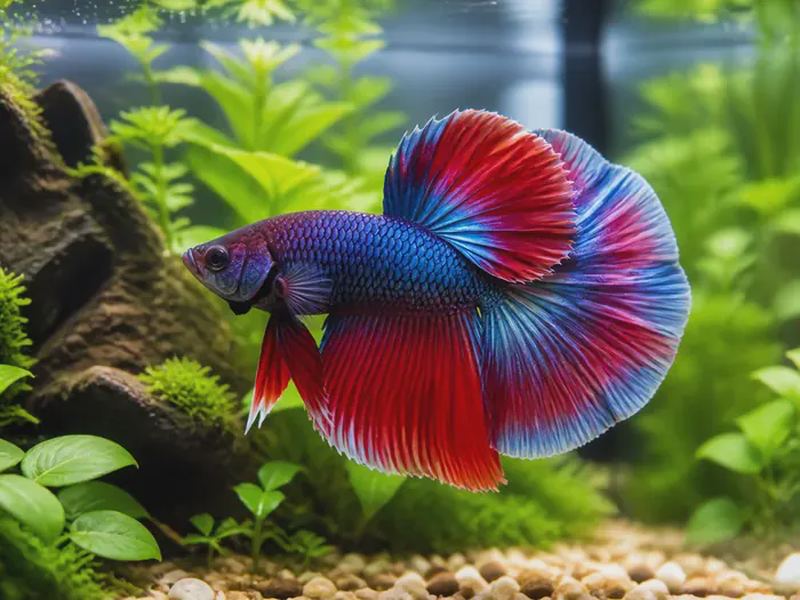
Betta fish, also known as Siamese fighting fish, are one of the most popular aquarium species due to their vibrant colors and flowing fins. However, they are also prone to specific health issues that can arise from poor water quality, stress, or improper diet. Understanding betta fish diseases is essential for any keeper, whether you are a beginner or an experienced aquarist. This guide covers the most common illnesses, their symptoms, treatment protocols, and preventive measures to help your betta thrive.
From experience, I have seen many bettas bounce back from serious conditions simply by correcting water parameters and providing targeted treatment. The key is early detection. If you notice even a slight change in behavior, appetite, or appearance, act quickly. For a complete overview of betta husbandry, check our Betta Fish Care Guide.
Water Quality and Disease Prevention
Most betta fish diseases stem from poor water quality. Bettas are hardy, but they require stable conditions. The ideal water temperature is 78-80°F (25.5-26.5°C). pH should be between 6.5 and 7.5, with ammonia and nitrite at 0 ppm, and nitrate below 20-40 ppm. A minimum tank size of 5 gallons is recommended for a single betta. Smaller tanks or bowls accumulate toxins quickly, leading to stress and disease.
Before treating any disease, test your water. Incomplete nitrogen cycling is a common culprit. The nitrogen cycle typically takes 4-6 weeks to establish. If your tank is new, read our Nitrogen Cycle Guide to avoid cycling-related illnesses.
| Parameter | Ideal Range for Betta | Safe Range for Most Fish |
|---|---|---|
| Temperature | 78-80°F (25.5-26.5°C) | 72-82°F depending on species |
| pH | 6.5-7.5 | 6.0-8.0 |
| Ammonia | 0 ppm | 0 ppm |
| Nitrite | 0 ppm | 0 ppm |
| Nitrate | <20-40 ppm | <50 ppm |
Common Betta Fish Diseases: Symptoms and Treatment
1. Fin Rot
Fin rot is a bacterial infection that causes the fins to appear ragged, discolored, or frayed. It often starts at the edges and progresses inward. Early signs include white or black edges on the fins. If untreated, fin rot can destroy the fin tissue and reach the body.
Treatment: Begin with a 50% water change and ensure water parameters are optimal. Add aquarium salt at a dose of 1 teaspoon per 5 gallons (1 tsp per 19 liters) for mild cases. For severe infections, use a broad-spectrum antibiotic like erythromycin or tetracycline, following the manufacturer's dosing instructions. Continue treatment for 7-10 days.
2. Ich (White Spot Disease)
Ich is caused by the protozoan Ichthyophthirius multifiliis and appears as tiny white spots resembling salt grains on the body, gills, and fins. Fish may flash against objects or breathe rapidly. Ich is highly contagious.
Treatment: Raise the water temperature gradually to 82-86°F (28-30°C) to speed up the parasite's life cycle. Add aquarium salt at 1 tablespoon per 5 gallons (15 ml per 19 liters). Use a commercial ich treatment containing malachite green or formalin. Remove activated carbon from the filter during treatment. For a detailed protocol, see our White Spot Ich Guide.
From experience, ich can be stubborn. I once treated a betta that had ich for two weeks. Consistent temperature and salt, combined with a darkened tank to reduce stress, finally cleared it. Patience is crucial.
3. Velvet (Oodinium)
Velvet is a parasitic infection that gives the fish a dusty, gold or rust-colored coating. Bettas may clamp their fins, lose appetite, and scratch against surfaces. Velvet is often mistaken for ich but lacks the distinct white spots.
Treatment: Dim the lights to reduce stress. Raise temperature to 80-82°F (26.5-28°C). Use a copper-based medication or formalin. Always follow dosing instructions carefully. Perform a 25% water change every other day during treatment.
4. Dropsy
Dropsy is not a disease but a symptom of internal bacterial infection causing fluid retention. The betta's abdomen swells, scales protrude like a pinecone, and the fish may become lethargic. Dropsy has a poor prognosis, especially if scales are raised.
Treatment: Isolate the fish in a hospital tank. Add Epsom salt at 1 teaspoon per 5 gallons (1 tsp per 19 liters) to reduce swelling. Use an antibiotic like kanamycin or doxycycline. Feed medicated food if possible. Euthanasia may be the kindest option if the fish stops eating and breathing becomes labored.
5. Swim Bladder Disorder
Swim bladder disorder affects buoyancy. The betta may float at the surface, sink to the bottom, or swim sideways. Causes include overfeeding, constipation, or infection.
Treatment: Fast the fish for 2-3 days. Then feed a blanched, deshelled pea (small piece) to relieve constipation. If no improvement, consider a bacterial infection and treat with a broad-spectrum antibiotic. Ensure water quality is pristine.
6. Columnaris (Cotton Wool Disease)
Columnaris is a bacterial infection that appears as white, cotton-like patches on the mouth, gills, or body. It can be mistaken for fungus. Fish may gasp at the surface.
Treatment: Improve water quality immediately. Use aquarium salt (1 tablespoon per 5 gallons) and a medication containing copper sulfate or oxytetracycline. Remove carbon from the filter. Treat for 5-7 days.
Comparison: Common Betta Diseases at a Glance
| Disease | Primary Symptom | Cause | Treatment Duration |
|---|---|---|---|
| Fin Rot | Ragged, discolored fins | Bacteria (poor water) | 7-10 days |
| Ich | White spots like salt | Protozoan parasite | 5-14 days |
| Velvet | Gold/rust dust on body | Parasite (Oodinium) | 7-10 days |
| Dropsy | Pinecone scales, bloating | Bacterial (internal) | Variable, often fatal |
| Swim Bladder | Buoyancy issues | Constipation/infection | 2-7 days |
| Columnaris | White cotton patches | Bacteria (Flexibacter) | 5-7 days |
Preventive Care and Quarantine
Prevention is the best medicine for betta fish diseases. Maintain a stable environment with regular water changes of 20-30% weekly. Avoid overfeeding; feed only what your betta can consume in 2 minutes, once or twice daily. Use a varied diet of high-quality pellets, frozen bloodworms, and brine shrimp. For feeding tips, refer to our Aquarium Fish Feeding Guide.
Quarantine new fish for at least 2 weeks before adding them to your main tank. Even if they look healthy, they may carry pathogens. A 5-gallon quarantine tank with a sponge filter works well. Observe for signs of disease during this period.
From experience, I recommend keeping a hospital tank ready with a heater, filter, and air stone. This avoids using medications in your main display tank, which can harm beneficial bacteria and sensitive plants.
When to Use Medications
Not every disease requires medication. Many mild cases of fin rot or ich respond to improved water quality and salt. Use antibiotics only when bacterial infection is confirmed or when the fish's condition worsens. Always follow label instructions for dosing. Overdosing can harm your betta and the tank's biological filter.
For reference, here is a dosing comparison for common treatments:
| Treatment | Dose for 5 Gallons (19 Liters) | Frequency |
|---|---|---|
| Aquarium Salt (preventive) | 1 teaspoon | Once, after water change |
| Aquarium Salt (treatment) | 1 tablespoon | Every 24-48 hours for 5 days |
| Erythromycin (antibiotic) | 1 packet per 10 gallons | Every 48 hours, up to 3 doses |
| Malachite Green (ich) | As per product label | Every 24 hours for 5-7 days |
Stress Reduction Techniques
Stress weakens the immune system and makes bettas more susceptible to disease. Provide plenty of hiding spots using silk or live plants. Avoid strong water flow; bettas prefer calm waters. Keep tank mates peaceful and compatible. Avoid housing bettas with fin-nipping species like tiger barbs. For compatible tank mates, see our Aquarium Stocking Guide.
Maintain a consistent lighting schedule (8-10 hours per day) and avoid sudden temperature shifts. When performing water changes, match the new water temperature to the tank.
Conclusion
Betta fish diseases are manageable with knowledge and prompt action. By maintaining excellent water quality, providing a balanced diet, and observing your fish daily, you can prevent most illnesses. If disease does strike, refer to this guide for accurate symptoms and treatments. Remember, a healthy betta is an active, colorful fish with smooth fins and a curious personality. For more species-specific advice, explore our Neon Tetra Care Guide and other resources.
💬 Comments
No comments yet — be the first!
Sign in to comment